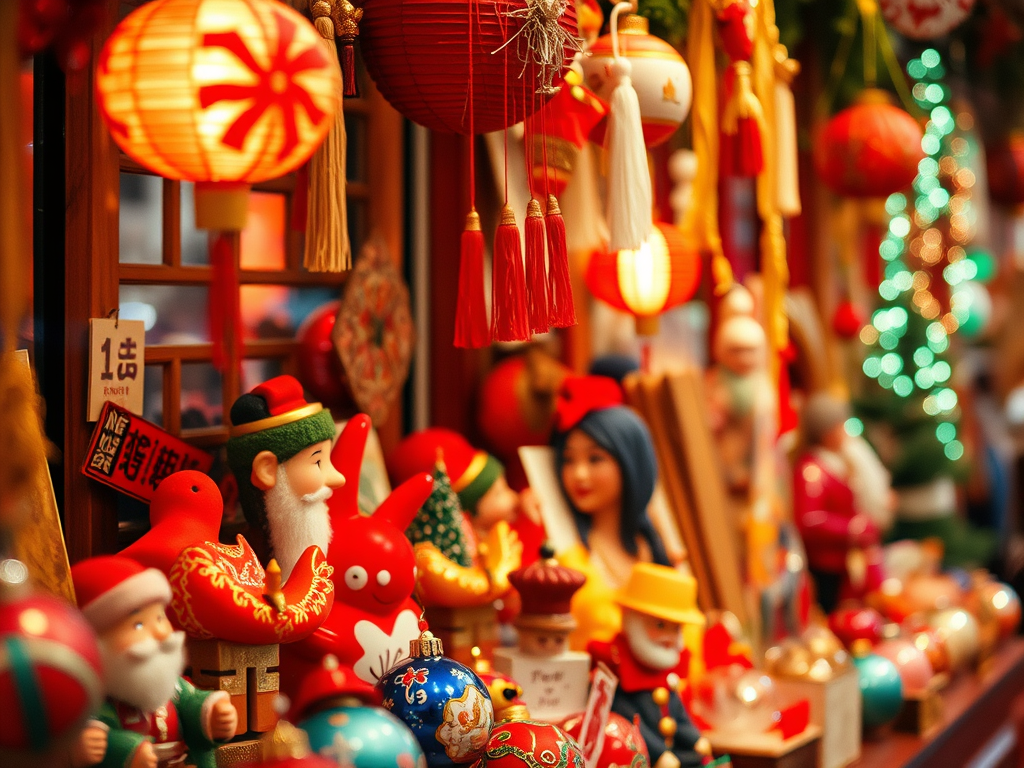
January, the first month of the year, symbolizes new beginnings, fresh resolutions, and a renewed sense of purpose. Named after Janus, the Roman god of doors and transitions, January offers a chance to look both back at the year that has passed and forward to the future. As winter tightens its grip in the Northern Hemisphere and summer heats up in the Southern Hemisphere, this month brings a mix of celebrations, comforting food, and exciting travel opportunities around the globe.
Celebrations Around the World in January
1. New Year’s Day (January 1st) The most universally celebrated event in January is New Year’s Day. As the clock strikes midnight on January 1st, people worldwide celebrate the beginning of the new year. Traditions vary, from fireworks and parties to more introspective activities like setting personal goals or spending time with loved ones. Countries like the United States and the UK host New Year’s Eve fireworks and gatherings, while in Spain, people eat 12 grapes at midnight, one for each chime of the clock, to bring good fortune for the year ahead.
2. Epiphany (January 6th) Epiphany, or Three Kings’ Day, is a Christian holiday observed primarily in Western Christianity. It commemorates the visit of the Three Wise Men to the baby Jesus and the manifestation of Christ to the Gentiles. In Spain and many Latin American countries, Epiphany is celebrated with parades, gift-giving, and the sharing of Rosca de Reyes (King’s Cake), a round pastry with a hidden figurine inside.
3. Orthodox Christmas (January 7th) In countries like Russia, Ukraine, and Serbia, Orthodox Christians celebrate Christmas on January 7th, following the Julian calendar. Traditions include attending church services, feasting on dishes like kutia (a sweet grain pudding), and spending time with family. For many, it’s a deeply religious holiday that emphasizes prayer, reflection, and community.
4. Australia Day (January 26th) Australia Day marks the arrival of the First Fleet at Port Jackson in New South Wales in 1788. It is a national holiday that celebrates Australian culture and history. The day is observed with parades, fireworks, barbecues, and community events. However, it is also a day of reflection for many, particularly Indigenous Australians, for whom the date represents the beginning of colonization.
5. Chinese New Year (Varies, Often in January or February) Chinese New Year, also known as the Lunar New Year or Spring Festival, is the most important holiday in China and many other East Asian countries. It marks the beginning of the lunar calendar and is typically celebrated between late January and mid-February. The holiday is known for family reunions, traditional foods like dumplings and nian gao (rice cake), and vibrant parades featuring lion dances and fireworks.
The Significance of January
January holds special significance for many cultures as it represents a time of renewal and fresh starts. In modern times, it is a month associated with setting resolutions—goals for self-improvement, health, career, and personal growth. This tradition stems from ancient Rome, where worshippers would offer sacrifices to Janus and make promises to be better in the coming year.
In addition to its symbolic significance, January is also a time of deep winter for those in the Northern Hemisphere, meaning cold weather, shorter days, and a focus on warmth and comfort. In the Southern Hemisphere, however, January is a summer month, filled with beach trips, outdoor festivals, and long, sunny days.
Foods Consumed in January Across the World
Food in January tends to reflect the seasonal conditions—hearty, warming dishes in cold climates and fresh, light meals in warmer regions.
1. Black-Eyed Peas and Greens (USA) In the southern United States, eating black-eyed peas and collard greens on New Year’s Day is a long-standing tradition thought to bring good luck and prosperity for the year. The peas symbolize coins, and the greens represent paper money. Cornbread is often served alongside these dishes, representing gold.
2. Galette des Rois (France) In France, the Galette des Rois (King’s Cake) is enjoyed throughout January to celebrate Epiphany. This flaky puff pastry filled with almond cream hides a small figurine called a fève. Whoever finds the fève in their slice becomes the king or queen for the day and wears a paper crown that accompanies the cake.
3. Haggis (Scotland) In Scotland, January 25th is Burns Night, a celebration of the poet Robert Burns. The traditional dish served on this night is haggis, a savory pudding made with sheep’s offal, oatmeal, and spices, often served with “neeps and tatties” (turnips and potatoes) and washed down with whisky. Burns’ famous poem “Address to a Haggis” is recited before eating.
4. Comfort Foods in Winter (Northern Hemisphere) In colder countries like Canada, Russia, and Scandinavia, hearty winter dishes dominate the January table. Stews, soups, and roasted meats are common, providing warmth and nourishment during the cold months. Dishes like borscht in Russia, a beet soup, and gratin dauphinois in France, a rich potato dish, are winter staples.
5. Summer Fruits and Barbecues (Southern Hemisphere) In Australia and New Zealand, January is a time for outdoor dining and barbecues, often featuring fresh seafood, sausages, and steaks. Summer fruits like mangoes, cherries, and watermelon are in season, providing refreshing treats for the hot weather. Pavlova, a meringue dessert topped with whipped cream and fruit, is a popular dish at summer gatherings.
Travel Destinations for January
January is an ideal time to travel, whether you’re seeking a snowy winter wonderland or a warm, sunny escape. Here are some top destinations for January travel:
1. Iceland Iceland in January offers the unique experience of seeing the Northern Lights. The long, dark nights of winter provide the perfect backdrop for this natural wonder. Visitors can also soak in the famous Blue Lagoon, explore ice caves, and witness frozen waterfalls in this otherworldly landscape.
2. Japan January in Japan is a time of both winter sports and traditional celebrations. Ski resorts like Niseko offer some of the best powder snow in the world, making it a top destination for skiing and snowboarding. Meanwhile, cities like Tokyo and Kyoto celebrate the New Year with temple visits, fireworks, and osechi ryori, special New Year’s dishes.
3. South Africa For a summer escape, South Africa offers incredible wildlife safaris in January. Kruger National Park is a popular destination for spotting the Big Five (lion, leopard, rhinoceros, elephant, and buffalo). Cape Town is also a must-visit, with its beautiful beaches, Table Mountain, and vineyards offering summer warmth and stunning scenery.
4. Norway For a magical winter adventure, Norway in January is perfect for exploring snowy landscapes and partaking in winter activities like dog sledding, snowmobiling, and ice fishing. Tromsø is a great place to experience the Arctic, and like Iceland, offers the chance to see the Northern Lights.
5. Thailand January is one of the best times to visit Thailand, with cooler temperatures and lower humidity making it ideal for exploring the country’s temples, beaches, and vibrant cities. Chiang Mai, Bangkok, and Phuket are popular destinations where visitors can enjoy everything from cultural tours to beach vacations.
January is a month that brings a sense of renewal, new beginnings, and a variety of celebrations that span cultures and continents. Whether it’s the fireworks of New Year’s Day, the solemnity of Orthodox Christmas, or the feasts of Epiphany, January offers a wide range of traditions. With hearty winter foods in the north and refreshing summer dishes in the south, as well as diverse travel destinations from snowy Scandinavia to sunny Africa, January is a month of opportunities, both for reflection and adventure.


Leave a Reply