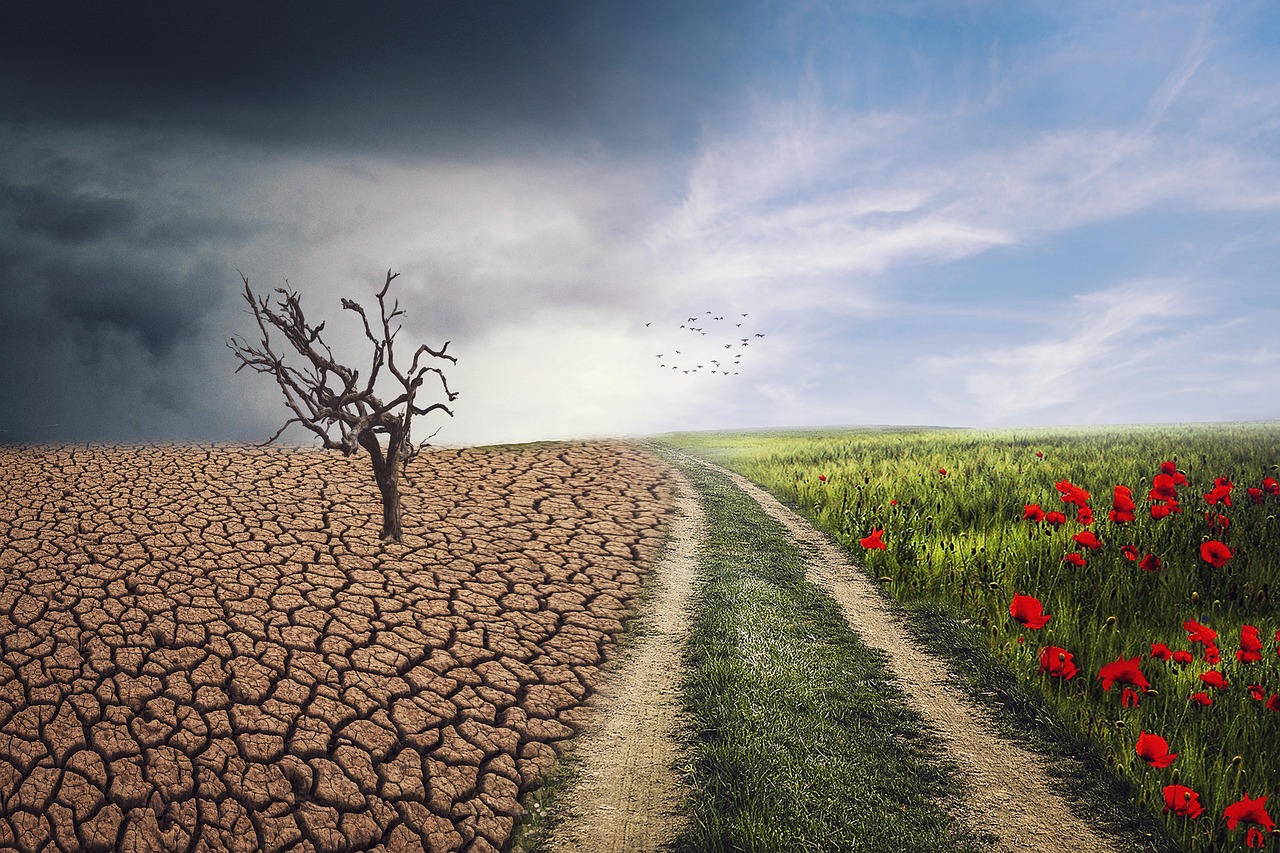
Climate change is one of the biggest challenges facing our planet today. It’s not just about rising temperatures and extreme weather events; it’s also about the impact that these changes have on the world’s ecosystems. In this article, we’ll explore the ripple effect of climate change on ecosystems and discuss what can be done to mitigate its effects.
The Ripple Effect of Climate Change on Ecosystems
Ecosystems are complex webs of interdependent species and habitats. Climate change affects these ecosystems in a variety of ways, including:
- Changes in temperature and precipitation patterns: Climate change can alter the timing and amount of rainfall, which can have significant impacts on ecosystems. For example, prolonged droughts can lead to wildfires and the loss of habitats for many species.
- Sea level rise: Rising sea levels due to melting ice caps can lead to the loss of coastal habitats, which are important breeding and feeding grounds for many species.
- Ocean acidification: As the oceans absorb more carbon dioxide from the atmosphere, they become more acidic. This can harm many marine species, including corals, which provide habitats for many other species.
- Changes in migration patterns: As temperatures change, the timing of seasonal events like migration patterns can be disrupted. This can affect the availability of food and breeding opportunities for many species.
These changes can have a ripple effect throughout ecosystems, affecting not just individual species but entire food webs and habitats.
What Can be Done to Mitigate the Effects of Climate Change on Ecosystems?
While the effects of climate change on ecosystems may seem overwhelming, there are steps that can be taken to mitigate its impact. Here are some examples:
- Reduce greenhouse gas emissions: The most effective way to mitigate the impact of climate change on ecosystems is to reduce greenhouse gas emissions. This can be achieved through measures such as transitioning to renewable energy, improving energy efficiency, and reducing deforestation.
- Protect habitats: Protecting habitats like wetlands and forests can help to mitigate the impact of climate change on ecosystems by preserving important breeding and feeding grounds for many species.
- Support sustainable agriculture: Agriculture is a major contributor to greenhouse gas emissions. By supporting sustainable agriculture practices, such as reducing food waste and using organic farming methods, we can reduce the impact of agriculture on the environment.
- Use eco-friendly products: Choosing eco-friendly products, such as biodegradable packaging and cleaning products, can help to reduce the impact of consumerism on the environment.
One book that provides a deeper understanding of the impact of climate change on ecosystems is “The Sixth Extinction: An Unnatural History” by Elizabeth Kolbert. This book explores the impact of human activity on the natural world and the implications of the current mass extinction of species.
Climate change has a significant impact on the world’s ecosystems, with far-reaching effects on species and habitats. While the situation may seem daunting, there are steps that can be taken to mitigate the impact of climate change, including reducing greenhouse gas emissions, protecting habitats, supporting sustainable agriculture, and choosing eco-friendly products. By taking action to address the causes and effects of climate change, we can help to preserve the planet’s ecosystems for future generations.
Tags:
Climate change and ecosystems
Ripple effect of climate change
Mitigating climate change effects
Impact of climate change on habitats


Leave a Reply