Living with Depression: Practical Tips for Coping and Managing Your Symptoms

Depression is a serious mental health condition that affects millions of people worldwide. It can make it challenging to enjoy life and can interfere with relationships, work, and daily activities. However, there are many ways to manage and cope with depression to improve your quality of life. In this article, we'll explore some practical tips for living with depression.

Surviving the Baby Blues: Understanding and Treating Postpartum Depression

Becoming a new parent is an exhilarating and transformative experience, but it also comes with its fair share of challenges. It's not uncommon for new parents to face stress, anxiety, and even postpartum depression (PPD). Understanding the signs, symptoms, and treatment options for PPD is crucial in providing the necessary support and care for new mothers. Additionally, implementing self-care practices, seeking help, and taking preventive measures can significantly contribute to a healthier and more fulfilling parenting journey.

Living with Depression: Tips for Coping and Managing Your Symptoms

Living with depression can be challenging, but there are effective strategies that can help you cope and find relief. From practicing self-care and seeking professional help to building a support network and finding meaning and purpose, these tips offer guidance for managing symptoms and improving your well-being. Discover actionable steps to navigate the complexities of depression and start your journey towards feeling better.

Navigating the World of Social Media: Pros, Cons, and Mental Health Implications

Dive into the realm of social media and its impact on our lives, exploring the advantages and disadvantages it brings. While social media allows us to connect with loved ones and find inspiration, it's important to recognize its potential negative effects on mental health, such as addiction and cyberbullying. By setting boundaries, curating our online experience, and prioritizing real-life connections, we can navigate social media in a way that promotes well-being and keeps the positives in focus.

Building Better Habits: A Path to Improved Mental Health and Well-being

Discover the power of creating habits to enhance your mental health and overall well-being. By starting small and staying consistent, you can cultivate positive habits that make a significant impact on your life. From regular exercise and good sleep hygiene to mindfulness meditation and gratitude practice, explore the habits that contribute to a happier, healthier you.

The Importance of Sleep: Why It Matters for Your Physical and Mental Health

Discover the crucial role sleep plays in our lives, as it is fundamental for both our physical and mental well-being. From understanding the recommended amount of sleep based on age range to exploring the different stages our bodies go through during slumber, it becomes clear why prioritizing good sleep hygiene is essential. By recognizing the impact of sleep on our mental health and taking proactive steps to ensure adequate rest, we can pave the way for improved overall well-being and a happier, healthier life.

A Comprehensive Guide to Understanding Mental Health: From Historical Perspectives to Current Trends

Mental health encompasses our emotional, psychological, and social well-being, influencing our thoughts, feelings, and actions on a daily basis. It has evolved over time, with past treatments being harsh and institutionalized. Today, there is a better understanding of mental health, recognition of various disorders, and a range of treatment options available. It is essential to address mental health concerns, reduce stigma, and seek help when needed.

Common Fights in Relationships: How to Resolve Them and Protect Your Mental Health

Conflict is a natural part of any relationship, but when left unresolved, it can cause significant damage. In this article, we'll explore some common fights in relationships, how they can affect your mental health, and provide tips and tricks for resolving them.

Prioritizing Self-Care: The Importance of Mental Health

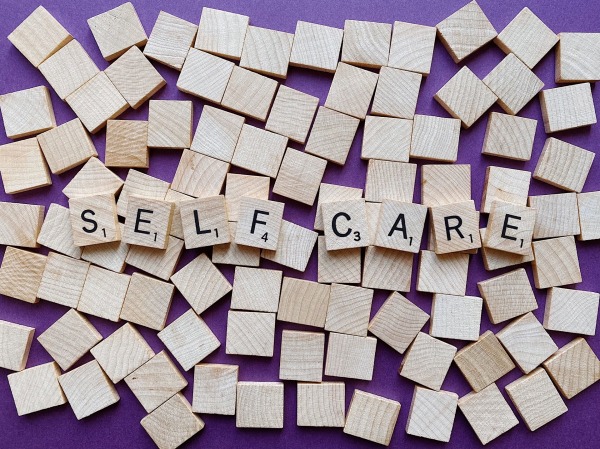
It's easy to get caught up in the hustle and bustle of daily life, but it's crucial to prioritize your mental health and practice self-care. In this article, we'll delve into the significance of mental health and self-care, and provide practical tips for taking care of yourself. Mental health plays a vital role in our overall well-being, influencing our thoughts, emotions, and behaviors. Neglecting mental health can lead to various challenges, including depression, anxiety, and stress. To support mental well-being, it's important to seek professional help when needed, practice self-care, and make lifestyle changes. Self-care encompasses intentional actions that nurture your physical, mental, and emotional health. From getting enough sleep to engaging in enjoyable activities, self-care is instrumental in reducing stress, enhancing mood, and building resilience. Prioritizing sleep, practicing mindfulness, staying physically active, nurturing social connections, and making time for yourself are key aspects of self-care. Remember, taking care of your mental health and engaging in self-care are integral to your overall well-being. By adopting these strategies and utilizing resources like the book "Lost Connections," you can proactively nurture your mental health and cultivate a greater sense of well-being.

Understanding and Coping with Abusive Relationships: Tips and Strategies

Abusive relationships can have a profound and lasting impact on an individual's physical, mental, and emotional well-being. It is essential to understand what abusive behavior is, how it manifests in relationships, and what steps can be taken to deal with it. In this article, we'll explore what abusive behavior is, how it can manifest in relationships, and offer tips and strategies for recognizing and dealing with it.

Website Powered by WordPress.com.

Up ↑