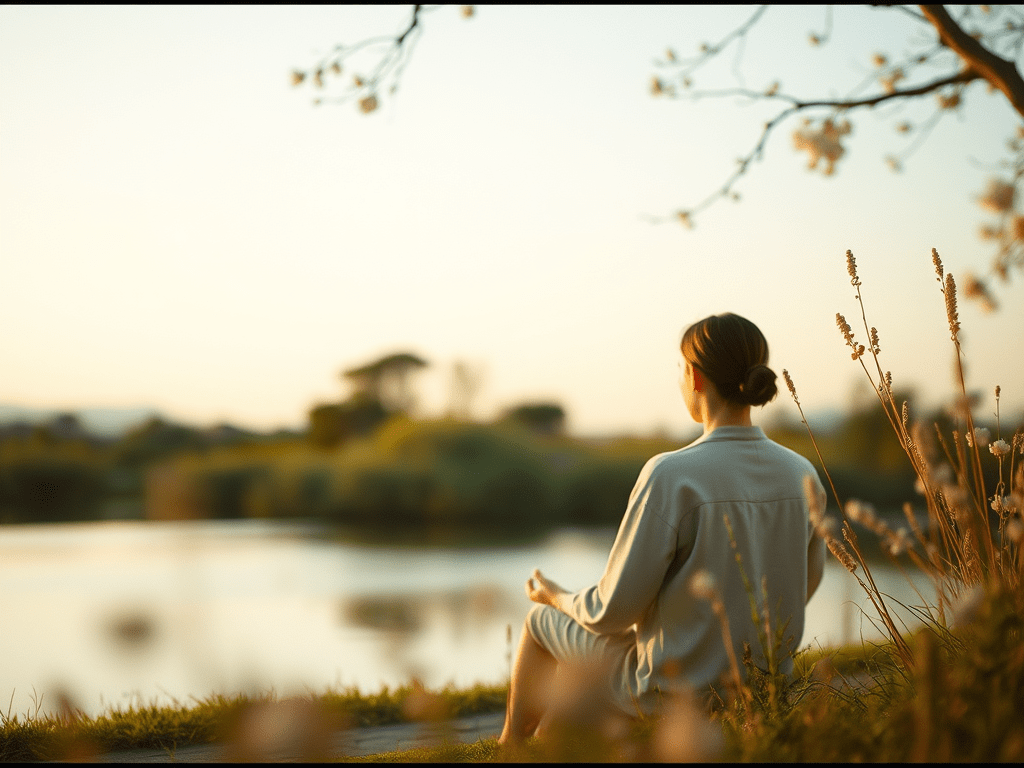


In today’s fast-paced world, the concept of relaxation often feels like a luxury rather than a necessity. With demanding jobs, family responsibilities, and a never-ending to-do list, finding time to relax can seem almost impossible. However, relaxation is crucial for our well-being. It’s not just about taking a break from our busy lives; it’s about recharging our minds and bodies to handle stress better and to live more fulfilling lives. This article will explore various ways to relax, the benefits of relaxation, why self-care is important, and how to incorporate relaxation into a busy schedule.
Why Is Relaxation Important?
Before diving into ways to relax, it’s essential to understand why relaxation is so important. Here are some key reasons:
- Reduces Stress: Relaxation helps lower the levels of cortisol, the body’s primary stress hormone. Chronic stress can lead to numerous health problems, including heart disease, anxiety, depression, and sleep disorders. Relaxation techniques can help manage stress and improve overall health.
- Improves Mental Health: Taking time to relax can reduce feelings of anxiety and depression. When you relax, you give your mind a break from the constant worries and pressures of everyday life, allowing you to gain perspective and think more clearly.
- Enhances Physical Health: Relaxation has a positive impact on the body. It can lower blood pressure, improve digestion, reduce muscle tension, and even boost the immune system. Regular relaxation can help prevent stress-related illnesses and improve overall health.
- Boosts Productivity: While it may seem counterintuitive, taking time to relax can actually make you more productive. When you are relaxed, you can focus better, think more creatively, and work more efficiently. Relaxation helps prevent burnout and keeps you energized.
- Promotes Better Sleep: Relaxation can improve sleep quality by calming the mind and relaxing the body. Better sleep leads to better overall health, improved mood, and higher energy levels.
- Improves Relationships: When you are relaxed and less stressed, you are more patient, understanding, and emotionally available. This can lead to healthier, more fulfilling relationships with family, friends, and colleagues.
Ways to Relax
Now that we understand the importance of relaxation, let’s explore some practical ways to relax, even if you have a demanding job and a busy family life. The key is to find what works for you and to make relaxation a regular part of your routine.
1. Mindfulness and Meditation
Mindfulness and meditation are powerful relaxation techniques that can be done anywhere, even if you only have a few minutes. Mindfulness involves paying attention to the present moment without judgment. It can be as simple as taking a few deep breaths and focusing on your breathing. Meditation, on the other hand, involves dedicating time to focus your mind, often using a mantra or visualization.
How to Practice:
- Start with just five minutes a day. Sit quietly, close your eyes, and focus on your breathing. Notice how your breath feels as it enters and leaves your body.
- Use a guided meditation app or video to help you get started.
- Practice mindfulness by paying attention to the present moment. Notice the sensations in your body, the sounds around you, and your thoughts and feelings without trying to change them.
Benefits:
- Reduces stress and anxiety
- Improves focus and concentration
- Enhances emotional well-being
2. Exercise
Exercise is a fantastic way to relax. Physical activity releases endorphins, which are natural mood lifters. Whether it’s a brisk walk, a yoga session, or a workout at the gym, exercise can help clear your mind and reduce stress.
How to Practice:
- Find a form of exercise you enjoy, whether it’s running, swimming, dancing, or yoga.
- Aim for at least 30 minutes of moderate exercise most days of the week.
- If you’re short on time, try high-intensity interval training (HIIT), which can be done in as little as 10-15 minutes.
Benefits:
- Reduces stress and anxiety
- Improves mood and energy levels
- Enhances physical health
3. Deep Breathing
Deep breathing is a simple but effective relaxation technique that can be done anywhere, anytime. It involves taking slow, deep breaths to calm the mind and relax the body.
How to Practice:
- Sit or lie down in a comfortable position.
- Close your eyes and take a deep breath in through your nose, filling your lungs with air.
- Hold your breath for a few seconds, then slowly exhale through your mouth.
- Repeat for a few minutes, focusing on your breathing and letting go of any tension.
Benefits:
- Reduces stress and anxiety
- Lowers blood pressure
- Promotes relaxation
4. Reading
Reading can be a great way to relax and escape from the pressures of everyday life. Whether it’s a novel, a self-help book, or an interesting article, reading can take your mind off your worries and transport you to another world.
How to Practice:
- Set aside time each day to read, even if it’s just for a few minutes before bed.
- Choose books that interest you and make you feel good.
- Create a cozy reading nook where you can relax with a good book.
Benefits:
- Reduces stress
- Improves focus and concentration
- Enhances knowledge and imagination
5. Listening to Music
Music has the power to soothe the soul. Listening to calming music can help reduce stress and promote relaxation. Whether it’s classical music, jazz, or your favorite playlist, music can create a peaceful atmosphere and help you unwind.
How to Practice:
- Create a playlist of relaxing music that you enjoy.
- Listen to music during your commute, while cooking, or as you wind down before bed.
- Use noise-canceling headphones to block out distractions and immerse yourself in the music.
Benefits:
- Reduces stress and anxiety
- Improves mood
- Enhances relaxation
6. Spending Time in Nature
Spending time in nature can have a calming effect on the mind and body. Whether it’s a walk in the park, a hike in the woods, or simply sitting in your garden, being in nature can help you relax and recharge.
How to Practice:
- Take a walk in a nearby park or nature reserve.
- Spend time in your garden, planting flowers or simply enjoying the fresh air.
- Plan a weekend getaway to a natural setting, such as a beach or mountain retreat.
Benefits:
- Reduces stress and anxiety
- Improves mood
- Enhances mental clarity
7. Taking a Bath
A warm bath can be incredibly relaxing. The warm water soothes tired muscles, and the quiet environment allows you to unwind. Adding essential oils, bath salts, or bubbles can enhance the experience.
How to Practice:
- Fill your bathtub with warm water and add your favorite bath products.
- Light some candles and play soft music to create a relaxing atmosphere.
- Soak in the tub for at least 15-20 minutes, focusing on your breathing and letting go of any tension.
Benefits:
- Relaxes muscles
- Reduces stress and anxiety
- Promotes better sleep
8. Practicing a Hobby
Engaging in a hobby you enjoy can be a great way to relax and take your mind off your worries. Whether it’s painting, knitting, gardening, cooking, or playing a musical instrument, hobbies provide a creative outlet and a sense of accomplishment.
How to Practice:
- Set aside time each week to work on your hobby.
- Find a quiet space where you can focus and enjoy your hobby without distractions.
- Join a group or class to learn more about your hobby and meet like-minded people.
Benefits:
- Reduces stress
- Boosts creativity
- Provides a sense of accomplishment
9. Spending Time with Loved Ones
Spending quality time with family and friends can be one of the most relaxing activities. Social connections are essential for emotional well-being, and being around loved ones can provide comfort, support, and joy.
How to Practice:
- Plan regular get-togethers with family and friends, whether it’s a dinner, a movie night, or a weekend outing.
- Engage in activities you enjoy together, such as playing games, cooking, or going for a walk.
- Make time for meaningful conversations and express gratitude for your loved ones.
Benefits:
- Reduces stress and anxiety
- Improves mood and emotional well-being
- Strengthens relationships
10. Journaling
Journaling can be a therapeutic way to relax and process your thoughts and feelings. Writing down your thoughts can help you gain clarity, release pent-up emotions, and reduce stress.
How to Practice:
- Set aside time each day to write in your journal, even if it’s just for a few minutes.
- Write about your day, your thoughts, your goals, or anything that’s on your mind.
- Use journaling prompts to explore your feelings and gain insight into your inner world.
Benefits:
- Reduces stress and anxiety
- Enhances self-awareness
- Improves emotional well-being
Balancing Relaxation with a Demanding Job and Family Life
With a full-time demanding job and family responsibilities, finding time to relax can seem challenging. However, relaxation is essential for your well-being, and it’s possible to incorporate it into your busy schedule. Here are some tips:
1. Prioritize Self-Care
Recognize that relaxation and self-care are not luxuries; they are necessities. Prioritize self-care by making it a non-negotiable part of your routine. Schedule time for relaxation just as you would schedule a meeting or an appointment.
2. Set Boundaries
Set boundaries between work and personal time. Avoid bringing work home, and set clear limits on your working hours. Communicate your boundaries to your colleagues and family members to ensure that you have time to relax.
3. Delegate Responsibilities
Don’t be afraid to delegate tasks at work and at home. Share household responsibilities with family members, and seek help when needed. Delegating tasks can free up time for relaxation and reduce stress.
4. Use Breaks Wisely
Use your breaks during the workday to relax and recharge. Take a short walk, practice deep breathing, or listen to calming music. Even a few minutes of relaxation can make a big difference in how you feel.
5. Create a Relaxing Evening Routine
End your day with a relaxing evening routine that helps you unwind and prepare for restful sleep. This could include reading a book, taking a bath, practicing yoga, or spending time with loved ones.
6. Practice Gratitude
Take a few minutes each day to reflect on the things you are grateful for. Practicing gratitude can shift your focus from stress and worry to positive thoughts and feelings.
7. Be Kind to Yourself
Be gentle with yourself, especially on days when you feel overwhelmed. Remember that it’s okay to take a break and that taking care of yourself is not selfish. Self-care is essential for your well-being and for being the best version of yourself for your family and work.
Embracing Relaxation as a Part of Life
Relaxation is not a luxury reserved for vacations or special occasions. It’s a vital part of a healthy, balanced life. By finding ways to relax and making relaxation a priority, you can reduce stress, improve your mental and physical health, and enhance your overall well-being.
Whether it’s practicing mindfulness, exercising, reading, or spending time with loved ones, there are countless ways to relax. The key is to find what works for you and to make relaxation a regular part of your routine. Remember that relaxation is not about being lazy or unproductive; it’s about taking care of yourself so that you can live a happier, healthier, and more fulfilling life.
So, the next time you find yourself feeling stressed or overwhelmed, take a moment to relax. Your mind and body will thank you.
 Clusterado
Leave a comment