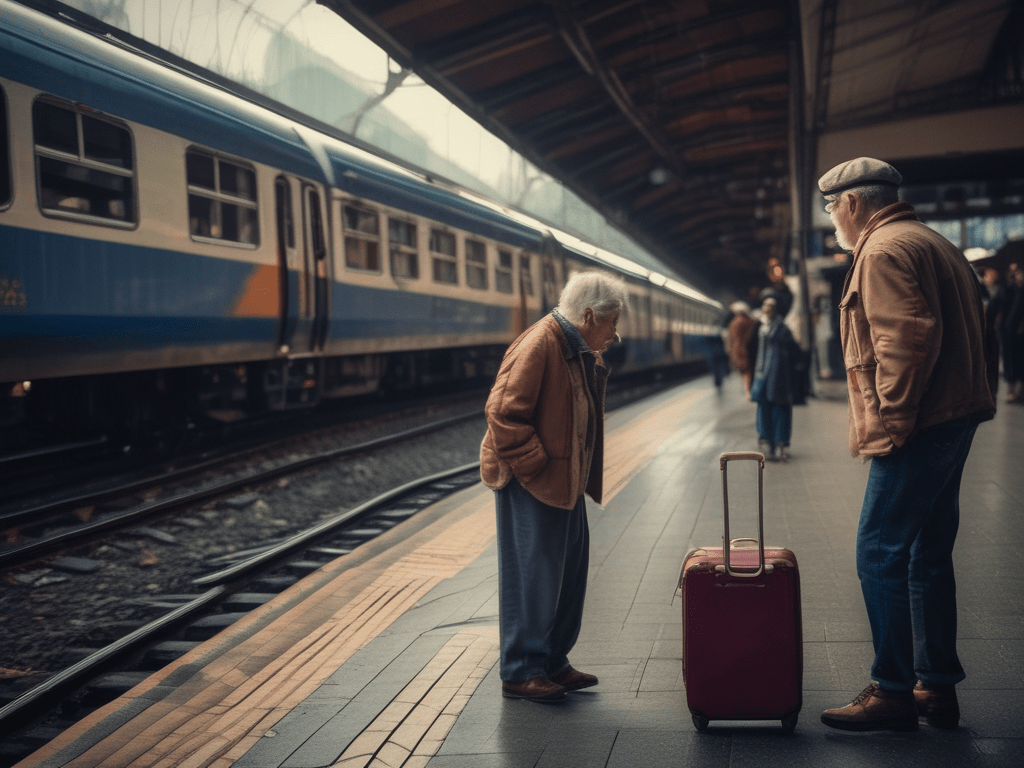


A few months ago, I found myself on a typical morning commute, my thoughts tangled in the usual web of tasks and deadlines. As I stepped off the train, I noticed an elderly man struggling with a heavy bag. Without hesitation, I approached him and offered to carry it. His eyes lit up with gratitude, and he accepted my help.
We walked together, chatting about the weather, his grandchildren, and his favorite memories of the city. When we reached his destination, he thanked me profusely, his voice filled with genuine appreciation. As I walked away, I felt a warmth spread through me—a sense of connection and fulfillment that I hadn’t anticipated.
The Ripple Effect of Kindness
Impact on the Receiver
For the elderly man, my small act of kindness provided immediate relief and comfort. More importantly, it offered him a moment of human connection and companionship. In a world that often moves too fast for the elderly, a simple gesture of assistance can make them feel valued and seen. This validation can uplift their spirits, reduce feelings of isolation, and contribute to their overall well-being.
Impact on the Giver
The effects of this encounter lingered with me long after our paths diverged. Performing an act of kindness gave me a sense of purpose and satisfaction. It reminded me of our shared humanity and the importance of being present for others. This experience positively impacted my mental health in several ways:
- Boost in Mood: Engaging in acts of kindness releases endorphins, the brain’s natural painkillers, and mood enhancers. I felt a noticeable uplift in my mood, which lasted throughout the day.
- Increased Confidence: Helping someone in need reinforced my belief in my ability to make a difference, no matter how small. This boosted my self-confidence and encouraged me to seek out more opportunities to help others.
- Enhanced Well-Being: Studies have shown that kindness can increase levels of serotonin and dopamine, neurotransmitters that give us feelings of satisfaction and well-being. The sense of fulfillment I felt contributed to a more positive outlook on life.
Kindness and Well-Being
Acts of kindness, whether grand or small, play a crucial role in enhancing overall well-being. They foster a sense of community and belonging, which is essential for mental and emotional health. Kindness promotes empathy and compassion, strengthening our social connections and creating a supportive network.
Moreover, regularly practicing kindness can lead to a “helper’s high,” a state of euphoria followed by a longer period of calm and improved emotional well-being. This reinforces the positive behavior, making it more likely for individuals to continue being kind, thereby perpetuating a cycle of generosity and joy.
The simple act of helping an elderly man with his bag was a profound reminder of the power of kindness. It highlighted how small gestures can have significant impacts on both the giver and the receiver. For me, it was a catalyst for a more positive mindset, increased confidence, and enhanced well-being. For him, it was a moment of relief and connection. In a world that often feels disconnected, acts of kindness remind us that we are all part of a larger, caring community.
 Clusterado
Leave a comment