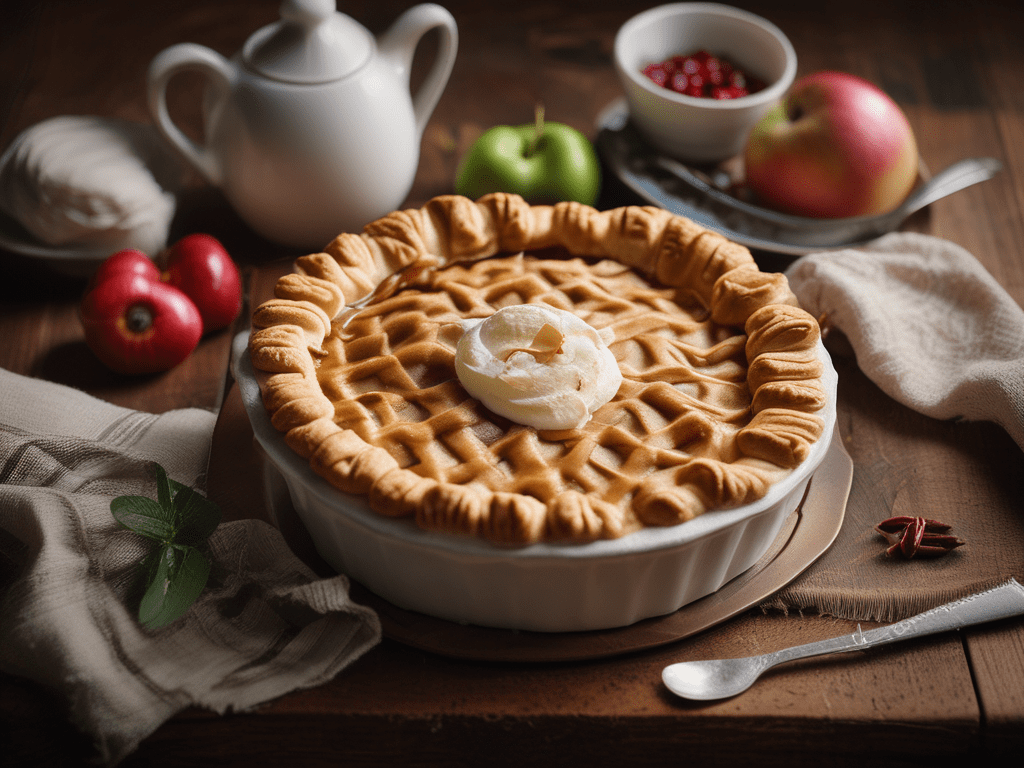
In times of stress, fatigue, or simply when seeking solace, there’s a category of culinary delights that never fails to provide warmth and reassurance: comfort foods. These dishes hold a special place in our hearts, often evoking fond memories of home-cooked meals, family gatherings, or childhood treats. Let’s delve into the world of comfort foods, explore their historical popularity, and understand their role in promoting mental health and wellbeing.
Defining Comfort Foods: Comfort foods are typically characterized by their nostalgic appeal, simplicity, and ability to evoke feelings of comfort and contentment. They often feature familiar flavors and textures that provide a sense of security and emotional satisfaction. Examples abound, ranging from hearty stews and creamy macaroni and cheese to decadent desserts like warm apple pie with a scoop of vanilla ice cream.
Historical Popularity: Many comfort foods have roots in traditional cooking practices and cultural cuisines that span generations. For instance, meatloaf and mashed potatoes gained popularity in the mid-20th century, offering a satisfying and economical meal during times of economic hardship. Similarly, dishes like chicken noodle soup have been cherished for their soothing qualities, especially during cold seasons or when feeling under the weather.
Role in Mental Health and Wellbeing: The allure of comfort foods extends beyond their nostalgic appeal; they also play a significant role in supporting mental health and wellbeing. Consuming comfort foods can trigger positive emotions and memories, reducing feelings of stress and anxiety. The act of preparing and enjoying these dishes can provide a sense of accomplishment and comfort, fostering a moment of mindfulness and relaxation amid life’s pressures.
Moreover, comfort foods often contain ingredients that contribute to mood regulation. For example, carbohydrates found in pasta and bread can increase serotonin levels, promoting a sense of calm and happiness. Foods rich in omega-3 fatty acids, such as salmon, have been linked to improved brain function and mood stabilization.
Embracing Comfort Foods Mindfully: While indulging in comfort foods can be a soothing experience, it’s essential to approach them mindfully and in moderation. Balancing comfort foods with a varied and nutrient-rich diet ensures overall health and wellbeing. Additionally, exploring healthier variations of favorite comfort foods—such as using whole grains, lean proteins, and reduced-fat ingredients—allows for guilt-free enjoyment without sacrificing taste or comfort.
Comfort foods serve as more than just sustenance; they are culinary companions that nurture both body and soul. Whether seeking solace in a steaming bowl of homemade soup or delighting in the decadence of a freshly baked dessert, these dishes provide a sanctuary of flavors and memories. By appreciating the historical roots, emotional benefits, and mindful consumption of comfort foods, we can enrich our culinary experiences and cultivate a healthier relationship with food and ourselves. So, next time you crave a taste of nostalgia, savor it with gratitude and embrace the comforting embrace of your favorite comfort foods.
 Clusterado
Leave a comment