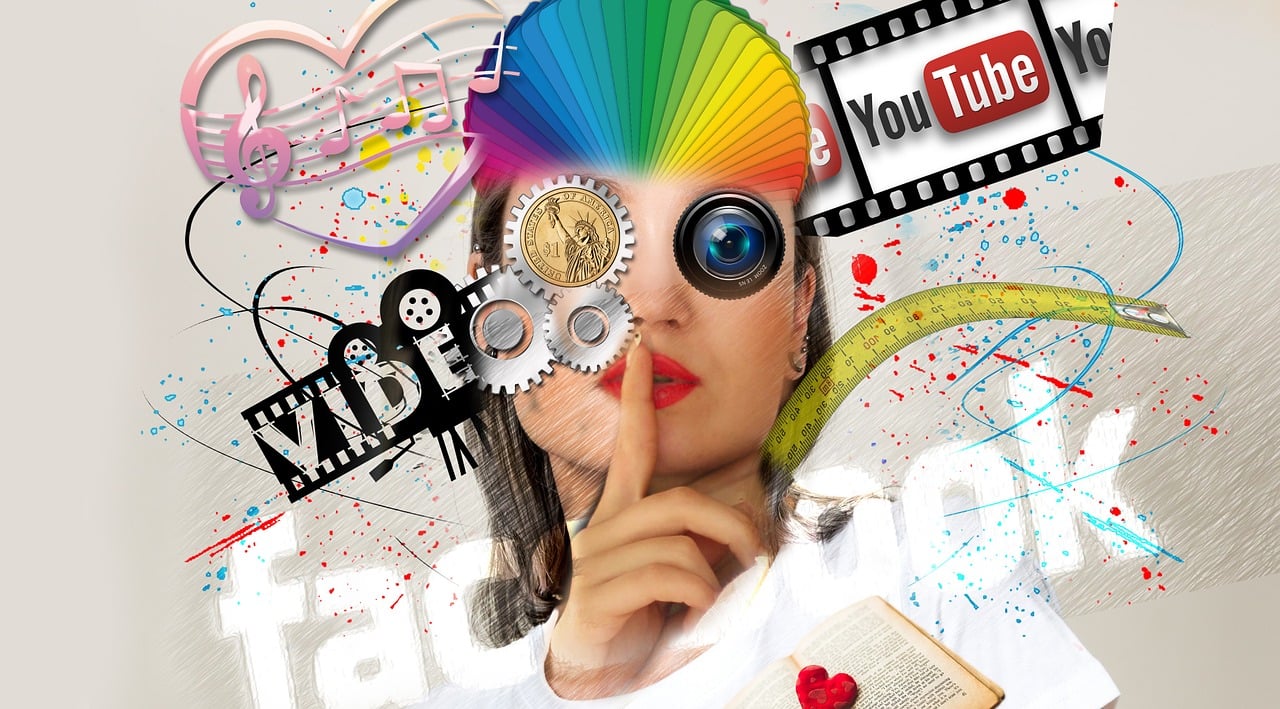
The world is changing, and so are the trends. While it’s exciting to try out new things and stay updated, it’s important to understand the potential impact that trends can have on our mental health and body image. We must remember that our worth is not determined by how many followers we have or how perfectly curated our feeds are. The true value of our lives lies in the experiences we have and the relationships we build. It’s time to embrace our imperfections and love ourselves just the way we are. Let’s work together to create a culture where mental health and self-love are the true trends that never go out of style.
While scrolling through your favorite social media platform might feel like a harmless pastime, there’s a darker side lurking beneath the surface. From perfectly curated feeds to meticulously crafted personas, influencers wield a significant influence over our perceptions of beauty, success, and happiness. But at what cost? Join me as we delve into the shadows and uncover the impact of influencers on mental health and body image.
The Rise of the Influencer Culture: A Double-Edged Sword
First things first, let’s talk about the rise of influencer culture. With the advent of social media, anyone with a smartphone and an internet connection can become an influencer overnight. From fashionistas and fitness gurus to travel junkies and beauty enthusiasts, influencers dominate our digital landscape, shaping trends and setting standards for millions of followers around the globe.
On the surface, influencer culture seems like a glamorous world of endless opportunities and picture-perfect moments. But behind the scenes, it’s a different story altogether. The pressure to maintain a flawless image, rack up likes and followers, and secure lucrative brand deals can take a toll on even the most seasoned influencers. Behind every carefully curated post lies hours of planning, editing, and self-critique, fueling feelings of insecurity, anxiety, and inadequacy.
The Impact on Mental Health: Striving for Perfection in an Imperfect World
Now, let’s talk about the elephant in the room – the impact of influencer culture on mental health. From comparisonitis to imposter syndrome, influencers and their followers alike are susceptible to a myriad of mental health challenges. Constantly bombarded with images of unattainable beauty standards, extravagant lifestyles, and picture-perfect moments, it’s easy to fall into the trap of feeling like you’re not enough.
For influencers, the pressure to maintain a flawless facade can lead to feelings of burnout, anxiety, and depression. Behind the scenes, they grapple with the relentless pursuit of perfection, striving to meet the unrealistic expectations set by their followers and the industry at large. The fear of being judged, criticized, or canceled looms large, fueling a constant need for validation and approval.
But it’s not just influencers who bear the brunt of this pressure – their followers are also impacted. Studies have shown that excessive social media use is linked to higher levels of anxiety, depression, and low self-esteem, particularly among young people. Constantly comparing yourself to the highlight reels of influencers can erode your self-confidence and sense of self-worth, leading to feelings of inadequacy and unworthiness.
The Body Image Conundrum: Striving for Unrealistic Ideals
Now, let’s zoom in on one of the most pervasive issues exacerbated by influencer culture – body image. Scroll through your Instagram feed, and you’ll be bombarded with images of perfectly sculpted bodies, flawless skin, and impossibly flat stomachs. But here’s the thing – most of these images are heavily filtered, edited, and curated to project an idealized version of reality.
For many influencers, maintaining a picture-perfect physique is not just a personal goal – it’s a professional requirement. The pressure to conform to society’s narrow standards of beauty can lead to extreme dieting, excessive exercise, and even dangerous behaviors like disordered eating or plastic surgery. Behind the glamour and glitz lies a darker reality of insecurity, body dysmorphia, and self-loathing.
But the impact of influencer culture on body image doesn’t stop there – it extends to their followers as well. Constantly bombarded with images of flawless bodies and unattainable beauty standards, many people develop unhealthy relationships with their bodies, leading to issues like body dysmorphia, eating disorders, and low self-esteem. The relentless pursuit of physical perfection can take a heavy toll on mental and emotional well-being, leaving a trail of self-doubt and dissatisfaction in its wake.
Navigating the Digital Landscape: Finding Balance in a Sea of Influencers
So, where do we go from here? Is there a way to navigate the digital landscape without succumbing to the pressures of influencer culture? Absolutely. While influencers aren’t going away anytime soon, there are steps we can take to protect our mental health and cultivate a more positive relationship with social media:
- Curate Your Feed Mindfully: Take a proactive approach to curating your social media feed by following accounts that inspire and uplift you. Unfollow or mute accounts that trigger feelings of insecurity or inadequacy, and seek out content that promotes authenticity, diversity, and body positivity.
- Practice Media Literacy: Develop critical thinking skills and learn to discern between reality and fantasy when consuming social media content. Remember that influencers often present a highly curated version of their lives, and what you see online may not always reflect reality.
- Set Boundaries: Establish healthy boundaries around your social media use, such as limiting screen time, taking regular breaks, and prioritizing real-life interactions over virtual connections. Remember that it’s okay to disconnect and prioritize your mental health.
- Cultivate Self-Compassion: Practice self-compassion and kindness towards yourself, especially when navigating the pressures of influencer culture. Remember that you are worthy and deserving of love and acceptance, regardless of how you measure up to societal standards.
- Seek Support: If you’re struggling with your mental health or body image, don’t hesitate to seek support from friends, family, or mental health professionals. You’re not alone, and there are resources available to help you navigate these challenges with compassion and resilience.
Shining a Light on the Shadows
Influencers may hold sway over our digital landscape, but they’re not immune to the pressures and pitfalls of their own making. Behind the carefully curated posts and glamorous personas lie real people grappling with real challenges – from insecurity and anxiety to body image issues and burnout. As we navigate the digital landscape, let’s remember to approach social media with a critical eye and a compassionate heart. Together, we can shine a light on the shadows of influencer culture and cultivate a more authentic, inclusive, and empowering online community.
So, the next time you find yourself scrolling through your Instagram feed, take a moment to pause and reflect. Consider the impact of the content you’re consuming on your mental health and well-being. And remember, you have the power to shape your digital experience and create a space that uplifts and inspires you. Here’s to embracing authenticity, celebrating diversity, and shining a light on the shadows of influencer culture.
 Clusterado
Leave a comment