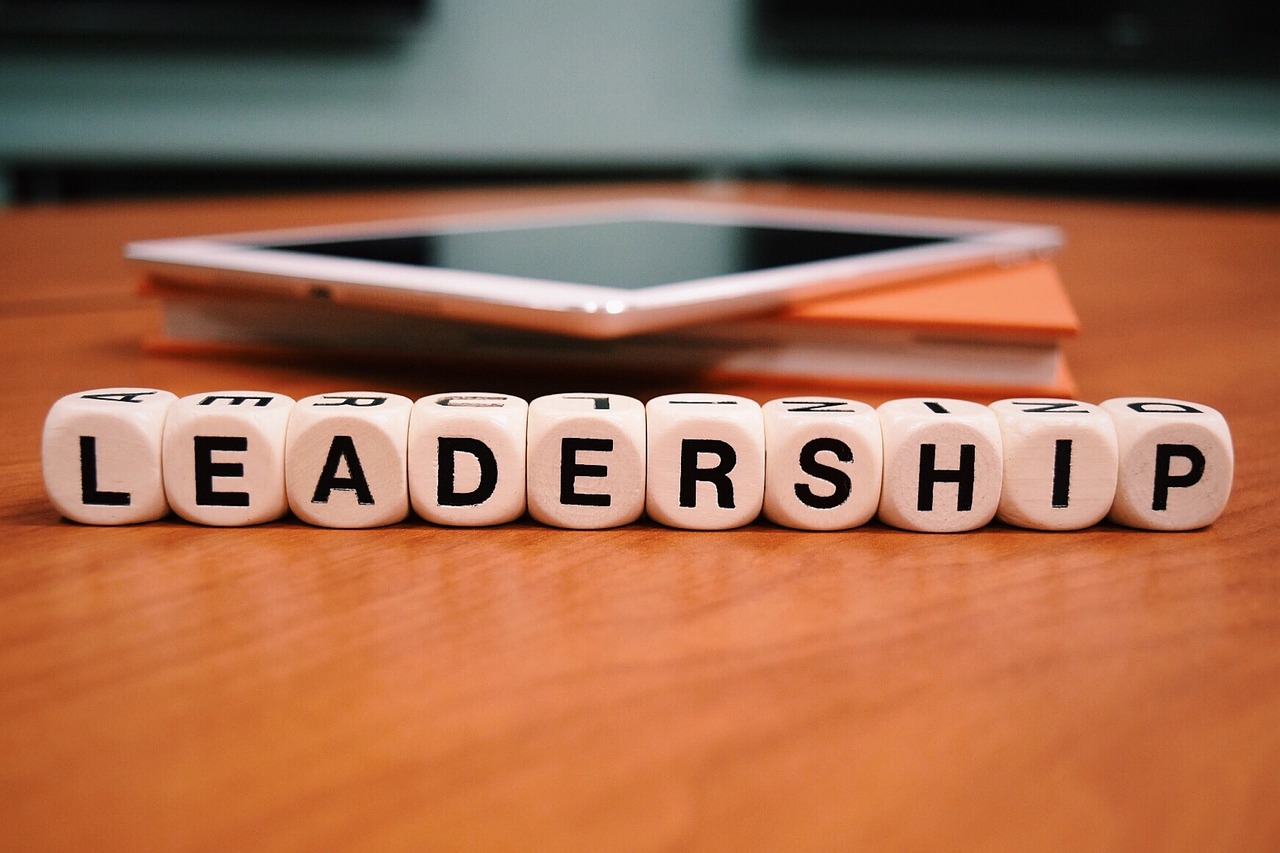


In the complex tapestry of human endeavors, leadership stands as a guiding force that shapes the course of individuals, teams, and organizations. What distinguishes a good leader from the rest? This question delves into the intricate qualities and attributes that define effective leadership. In this extensive exploration, we unravel the essence of leadership, examining the multifaceted facets that contribute to the making of a truly remarkable leader.
Vision and Purpose: Charting the Course
At the core of leadership lies the ability to articulate a compelling vision and purpose that inspires and motivates others. A good leader possesses a clear understanding of long-term goals and communicates them with passion and authenticity. This clarity of vision serves as a guiding light, aligning the efforts of the team toward a shared objective and fostering a sense of direction and purpose.
Effective Communication: The Art of Connection
Communication is the lifeblood of leadership, and a good leader excels in both expressing ideas and listening actively. The ability to convey thoughts clearly, inspire through words, and foster an open and transparent dialogue cultivates a culture of trust and collaboration. Moreover, a skilled leader values the perspectives of others, creating an environment where team members feel heard, understood, and valued.
Empathy and Emotional Intelligence: Understanding the Human Element
Empathy, often regarded as a cornerstone of effective leadership, involves the ability to understand and share the feelings of others. A good leader possesses emotional intelligence, navigating interpersonal dynamics with sensitivity and awareness. By connecting on a human level, leaders build strong relationships, nurture a positive work culture, and demonstrate genuine concern for the well-being of their team members.
Adaptability: Thriving in Change
In a dynamic and ever-evolving world, adaptability is a critical trait for leaders. A good leader embraces change with resilience, remaining flexible and open-minded in the face of challenges. The capacity to navigate uncertainty, learn from setbacks, and adjust strategies accordingly not only ensures organizational survival but also inspires confidence in the team’s ability to overcome obstacles.
Integrity and Trustworthiness: The Foundation of Leadership
Trust is the bedrock upon which effective leadership is built. A good leader upholds the highest standards of integrity, demonstrating consistency between words and actions. By being transparent, ethical, and reliable, leaders establish a foundation of trust that fosters a culture of accountability and loyalty within the team.
Decisiveness: Making Informed Choices
Leadership often demands making tough decisions under pressure. A good leader exhibits decisiveness by carefully weighing options, seeking input when necessary, and taking decisive actions when required. The ability to make informed choices, even in challenging situations, instills confidence in the team and ensures a steady progression toward organizational goals.
Inspiration and Motivation: Igniting the Spark
Beyond setting a vision, a good leader possesses the ability to inspire and motivate others. Through passion, enthusiasm, and a genuine belief in the team’s potential, leaders create an environment where individuals are empowered to reach their full capabilities. By fostering a culture of continuous improvement and celebrating achievements, leaders become catalysts for positive change and growth.
Courage and Resilience: Facing Adversity
Leadership is not without its trials, and a good leader exhibits courage and resilience in the face of adversity. Whether overcoming setbacks, managing conflicts, or taking calculated risks, leaders navigate challenges with composure and determination. This resilience sets the tone for the entire team, encouraging them to persevere in the pursuit of shared goals.
Collaboration and Team Building: Unleashing Collective Potential
A good leader understands the importance of collaboration and actively cultivates a sense of unity within the team. By recognizing and leveraging the unique strengths of each team member, leaders create a synergistic environment where diverse skills contribute to collective success. Team building, effective delegation, and fostering a collaborative spirit are integral components of leadership that propel organizations toward excellence.
Continuous Learning and Development: The Growth Mindset
Leadership is a journey of continuous learning and self-improvement. A good leader embraces a growth mindset, seeking opportunities for personal and professional development. By encouraging a culture of learning within the team, leaders inspire innovation, creativity, and adaptability, ensuring that the organization evolves alongside the dynamic landscape of the modern world.
The essence of leadership is a rich tapestry woven with the threads of vision, communication, empathy, adaptability, integrity, decisiveness, inspiration, courage, collaboration, and continuous learning. A good leader is not defined by a single trait but by the harmonious integration of these qualities. As we navigate the complexities of leadership, it becomes evident that effective leaders are not only skilled in their strategic acumen but also deeply attuned to the human aspects of their roles.
In reflecting on what makes a good leader, we recognize that leadership is a dynamic and evolving practice. It is a commitment to personal growth, a dedication to inspiring others, and an unwavering belief in the collective potential of a team. As individuals aspire to lead with impact, they embark on a transformative journey that transcends the realms of management and enters the domain of true leadership—a journey marked by authenticity, humility, and a genuine passion for guiding others toward shared success.
 Clusterado
Leave a comment