

Keywords: Comprehensive Emergency Plan, Parenting Preparedness, Family Safety Strategies, Creating Disaster Readiness
Life is an unpredictable journey, filled with twists and turns that can catch us off guard. As parents, safeguarding our family’s well-being is paramount, and a well-thought-out emergency preparedness plan is an essential tool in our arsenal. From natural disasters to unforeseen crises, being equipped with a solid plan can mean the difference between chaos and calm. In this empowering guide, we embark on a journey to create a comprehensive emergency preparedness plan tailored to parents, ensuring the safety, security, and well-being of our loved ones.
1. The Foundation: Knowledge is Your Best Ally
Understanding the Risks: Identifying Potential Hazards
The first step in crafting an effective emergency preparedness plan is understanding the risks specific to your geographical area. Research potential natural disasters such as earthquakes, hurricanes, floods, or wildfires that may pose a threat. Familiarize yourself with the frequency and severity of these events, and gather information from local emergency management agencies to stay informed and prepared.
Knowledge is Power: Stay Informed and Educated
Empowerment stems from knowledge, so educate yourself and your family about emergency protocols. Discuss the appropriate responses to various scenarios, and ensure everyone understands evacuation routes, safe meeting points, and communication plans. Stay connected with your community by joining local emergency alert systems and attending disaster preparedness workshops to enhance your preparedness toolkit.
2. The Blueprint: Creating a Solid Emergency Plan
Family Communication: The Cornerstone of Preparedness
Open and honest family communication is key to ensuring everyone is on the same page during an emergency. Designate a family meeting place both inside and outside your home, and establish an out-of-town contact person whom everyone can reach to relay information. Teach your children how to dial emergency services and practice regular communication drills to reinforce their preparedness skills.
Customized Checklists: Tailoring Your Plan
Create customized checklists that cater to your family’s specific needs. Include essential items such as emergency contact information, medical records, medications, and dietary restrictions. Pack a disaster supply kit with essentials like non-perishable food, water, first aid supplies, flashlights, and important documents. Regularly update your kits and ensure family members know where they are located.
3. The Execution: Putting Your Plan into Action
Evacuation Strategy: Ensuring a Safe Retreat
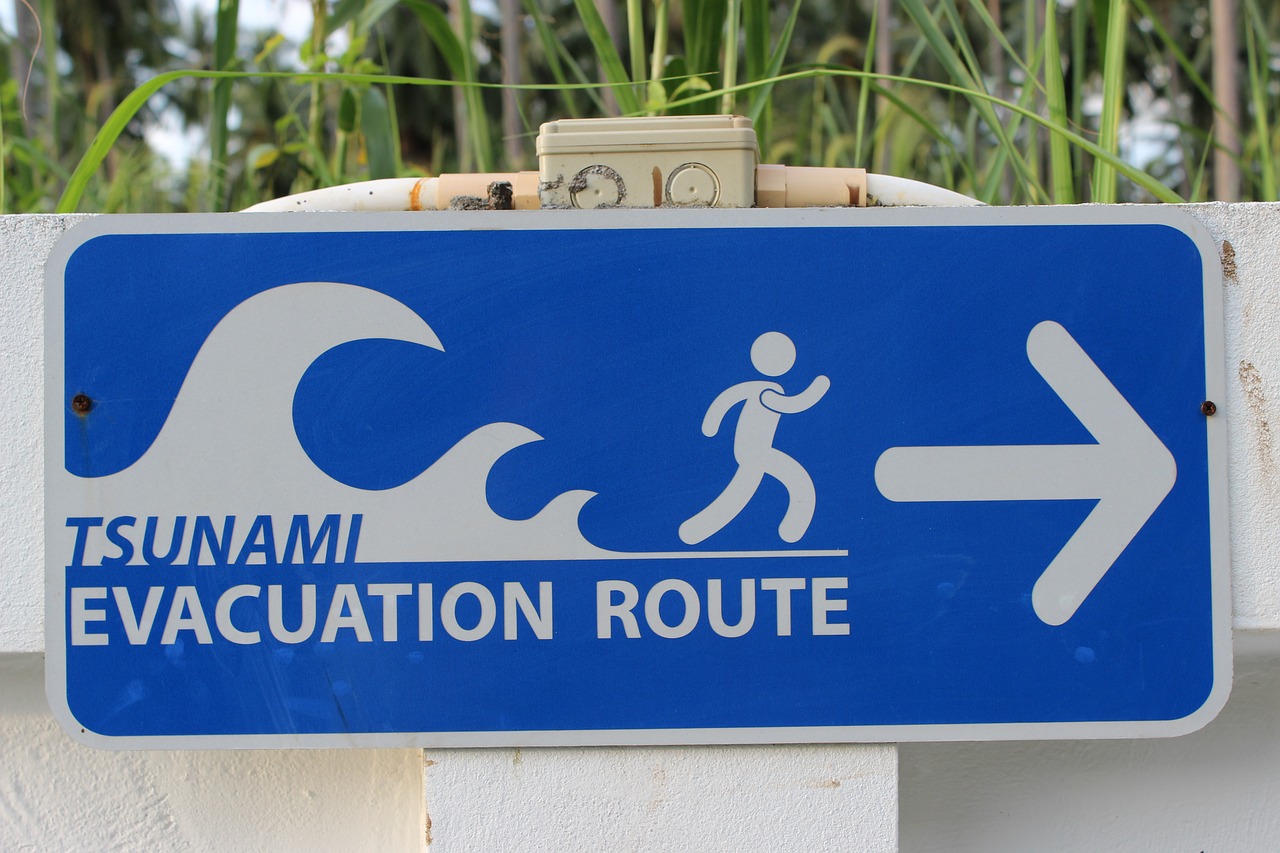
Craft an evacuation plan that outlines escape routes from your home and neighborhood. Consider mobility issues, and make provisions for pets. Practice evacuation drills with your family, ensuring everyone knows the routes and procedures. Teach your children how to use fire extinguishers and perform basic first aid techniques to foster a sense of empowerment and readiness.
Staying Connected: Communication in the Midst of Chaos
In the event of an emergency, communication becomes a lifeline. Designate a primary and backup method for staying connected, such as text messages or social media platforms. Keep your devices charged and invest in backup power sources. Consider using walkie-talkies for family communication during power outages or if cell networks are compromised.
4. The Support Network: Rallying the Community
Community Engagement: Strength in Unity
Collaboration with your community enhances your family’s resilience in times of crisis. Connect with neighbors and establish a support network. Share your emergency preparedness knowledge and encourage others to create their own plans. Together, you can pool resources, skills, and knowledge to navigate emergencies more effectively.
Teaching Preparedness: Empowering the Next Generation
Instill a sense of preparedness in your children by involving them in the planning process. Teach them basic survival skills such as starting a fire, finding clean water, and administering first aid. Cultivate a culture of resilience and adaptability, fostering their confidence to face challenges head-on.
Creating an emergency preparedness plan is an act of love that empowers parents to protect their families in times of uncertainty. By understanding potential risks, crafting a comprehensive plan, and practicing its execution, you lay the foundation for a safer and more secure future. Through open communication, community engagement, and nurturing the spirit of preparedness in your children, you not only equip your family to weather emergencies but also foster a sense of empowerment that resonates throughout generations. As parents, you have the power to turn uncertainty into confidence, transforming adversity into an opportunity for growth, unity, and unwavering strength.
 Clusterado
Very interesting, and solid advice. I know a thing or two about emergency preparedness and shared about it on my prompt answer, I was never able to break down the thought process and steps the way you did here, so I found this helpful. Thank you.
LikeLike