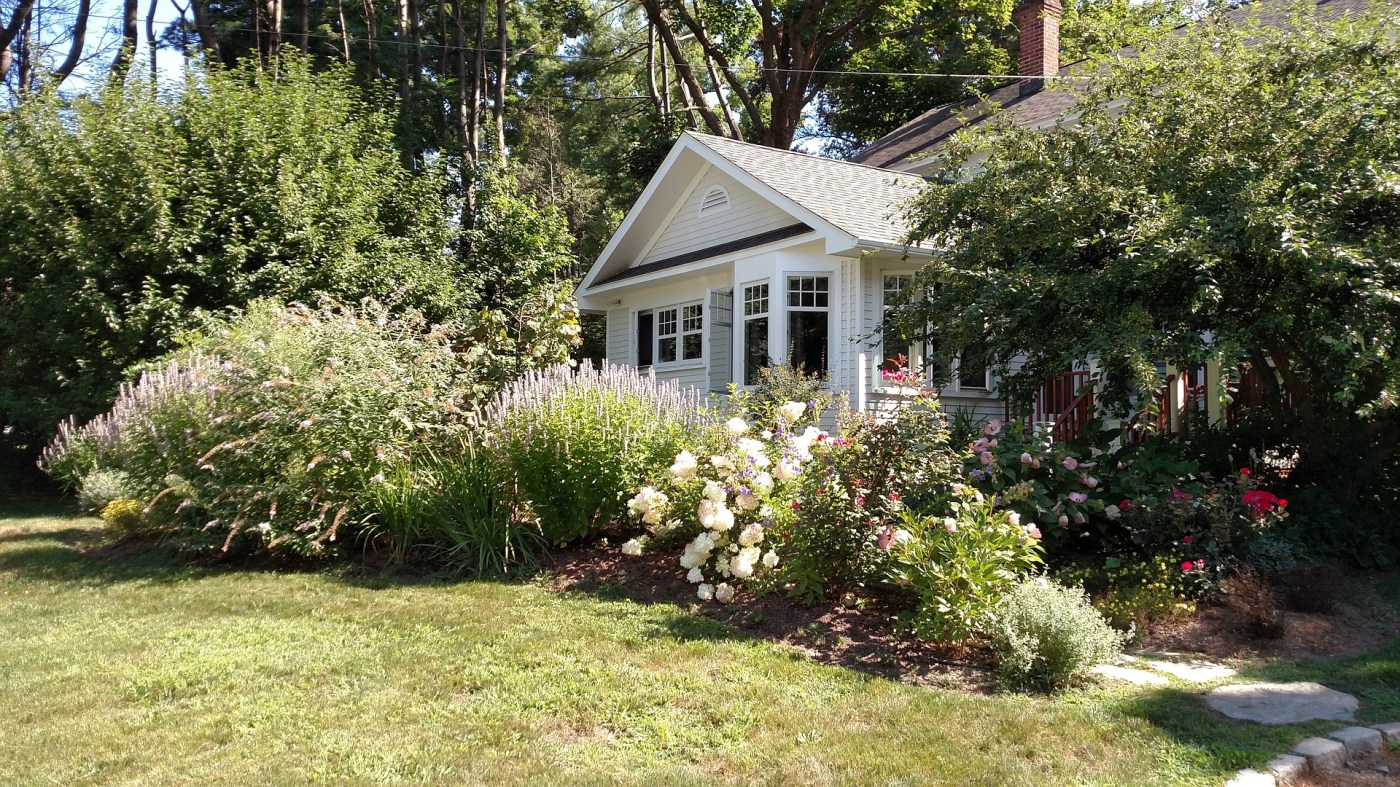
Hey there, eco-warriors and nature lovers! Are you passionate about living a sustainable lifestyle and want to extend that love for the environment to your yard? Well, you’re in luck! In this article, we’ll dive into the world of creating a sustainable and eco-friendly yard. From water conservation to native plants and composting, we’ll explore various practices and tips that will help you transform your outdoor space into a haven that promotes biodiversity and reduces your ecological footprint. So, let’s roll up our sleeves and get ready to make a positive impact on the planet, one yard at a time!
- Water Conservation: Make Every Drop Count
Water is a precious resource, and conserving it in your yard is an essential step towards sustainability. Install a rain barrel to collect rainwater and use it for watering your plants and garden. Opt for drip irrigation systems that deliver water directly to the roots, minimizing waste. Consider replacing some of your lawn areas with drought-tolerant plants that require less water. By adopting these practices, you’ll not only conserve water but also save on your utility bills.
- Native Plants: Embrace Local Beauty
Introduce native plants into your yard to create a flourishing ecosystem and support local wildlife. Native plants are adapted to the local climate, requiring minimal maintenance and reducing the need for pesticides and fertilizers. They provide food and shelter for pollinators, birds, and other beneficial insects. Do some research to identify native plant species that thrive in your region and incorporate them into your yard’s landscape. Watch as your yard becomes a haven for biodiversity!
- Composting: Turn Waste into Nutrient-Rich Gold
Composting is nature’s way of recycling organic waste and turning it into nutrient-rich soil. Start a compost pile or invest in a compost bin where you can discard kitchen scraps, yard clippings, and other organic materials. As the waste decomposes, it transforms into nutrient-dense compost that can be used to enrich your garden soil. Composting reduces the amount of waste sent to landfills and helps create a closed-loop system in your yard.
- Natural Pest Control: Nurturing Balance
Maintaining a healthy balance in your yard’s ecosystem is crucial for sustainable gardening. Instead of reaching for chemical pesticides, explore natural pest control methods. Introduce beneficial insects like ladybugs and praying mantises that feed on harmful pests. Plant companion flowers and herbs that repel pests naturally. Handpick pests when necessary or use organic insecticidal soaps. By embracing natural pest control, you protect the environment, support beneficial insects, and maintain a harmonious yard.
- Permeable Surfaces: Let the Earth Breathe
Traditional hardscapes like concrete and asphalt contribute to water runoff and soil erosion. Consider incorporating permeable surfaces into your yard, such as permeable pavers or gravel paths. These surfaces allow rainwater to penetrate the ground, replenishing groundwater and reducing runoff. By choosing permeable materials, you help prevent water pollution and give the earth a chance to breathe.
- Renewable Energy: Powering Your Yard Sustainably
Consider harnessing renewable energy sources to power your outdoor lighting or other yard features. Install solar-powered lights or solar panels to generate clean energy. This reduces your reliance on fossil fuels and decreases your carbon footprint. Not only will you enjoy energy savings in the long run, but you’ll also contribute to a cleaner and greener planet.
- Wildlife-Friendly Features: Inviting Nature’s Guests
Design your yard with wildlife-friendly features that attract and support local fauna. Create bird feeders, bird baths, or butterfly gardens to provide food and water for these enchanting creatures. Install bat boxes to offer shelter for bats, which are excellent natural pest controllers. Create small ponds or water features to provide a water source for birds, frogs, and beneficial insects. By incorporating wildlife-friendly features into your yard, you’ll create a thriving ecosystem and establish a deeper connection with the natural world around you.
Congratulations, eco-warriors! You are now equipped with the knowledge and inspiration to create a sustainable and eco-friendly yard that not only enhances the beauty of your outdoor space but also promotes environmental stewardship. By implementing practices such as water conservation, native plants, composting, natural pest control, permeable surfaces, renewable energy, and wildlife-friendly features, you’re actively making a positive impact on the planet.
Remember, transforming your yard into an eco-friendly haven is a journey, and every small step counts. Start with one practice at a time, gradually incorporating sustainable habits into your gardening routine. Embrace the opportunity to learn, experiment, and connect with nature.
As you witness the flourishing biodiversity, the buzzing of pollinators, and the harmony of a self-sustaining ecosystem in your yard, you’ll find immense joy and fulfillment. Your sustainable yard will not only benefit the environment but also inspire others to join the movement towards a greener future.
So, let’s continue to nurture our yards as living ecosystems, where every choice we make aligns with the principles of sustainability and ecological responsibility. Together, we can create a world where yards are not just beautiful spaces, but also thriving habitats that contribute to a healthier planet.
Now, go forth, fellow eco-warriors, and let your sustainable yard be a shining example of what is possible when we choose to live in harmony with nature. Happy gardening and sustainable living!
 Clusterado
Leave a comment