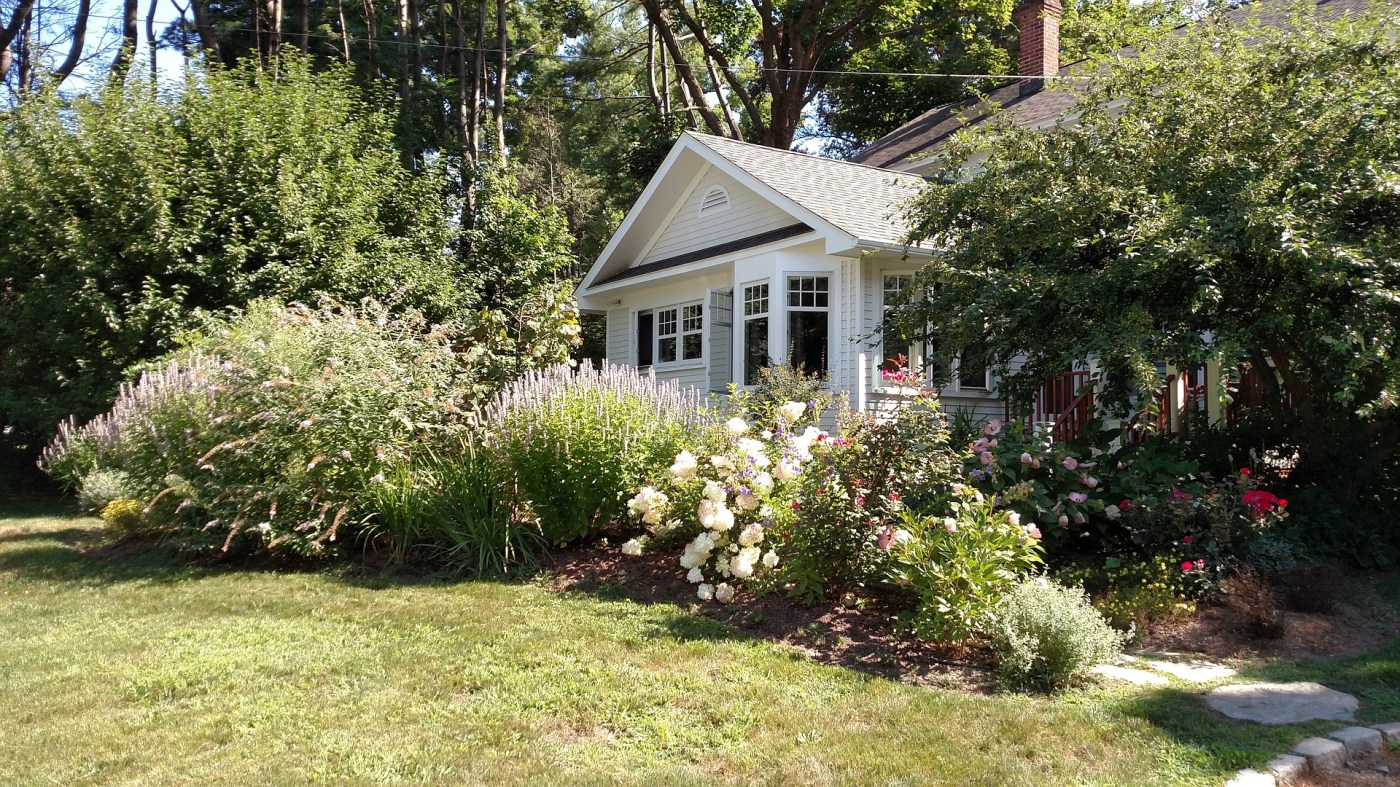
Greetings, garden enthusiasts! Are you ready to embark on a journey to transform your yard into a breathtaking oasis of natural beauty? One of the most important decisions you’ll make is selecting the right plants for your landscape. Whether you’re a beginner or a seasoned gardener, choosing plants that thrive in your specific climate, soil type, and sunlight conditions is essential for a successful and vibrant garden. In this article, we’ll delve into the world of plant selection, exploring tips and considerations that will help you create a landscape that brings joy and awe-inspiring beauty throughout the seasons. So, grab your gardening gloves, put on your sun hat, and let’s dive into the blooming guide to garden bliss!
- Assessing Your Yard’s Conditions: Sun, Soil, and Space
Before you start browsing plant catalogs or visiting nurseries, it’s crucial to assess your yard’s conditions. Observe the amount of sunlight different areas receive throughout the day, noting areas of full sun, partial shade, or full shade. Test your soil’s pH and texture to determine if it’s acidic, alkaline, sandy, clay-like, or loamy. Finally, evaluate the available space in your yard, considering both horizontal and vertical dimensions. Understanding these factors will help you choose plants that are suited to your yard’s unique environment.
- Climate Considerations: Embrace Your Hardiness Zone
Every region has a specific hardiness zone, which indicates the average minimum temperature a plant can withstand. Research your hardiness zone to ensure the plants you choose can thrive in your local climate. Consider temperature extremes, frost dates, and any microclimates in your yard caused by buildings, trees, or bodies of water. By selecting plants that are well-suited to your climate, you’ll increase their chances of survival and long-term success.
- Planting Purpose: Beauty, Functionality, or Both?
When selecting plants, consider the purpose they will serve in your landscape. Are you aiming for a visually stunning flower garden, a fragrant herb patch, or a mix of ornamental and edible plants? Think about the desired colors, textures, and heights that will harmonize with your overall landscape design. If you have specific needs, such as attracting pollinators or providing privacy, choose plants that fulfill those functions. Striking a balance between aesthetics and functionality will result in a well-rounded and purposeful garden.
- Native and Adapted Plants: Harmonizing with Nature
Native plants have evolved to thrive in specific regions and offer numerous benefits to your yard’s ecosystem. They require less water, are more resistant to pests and diseases, and provide food and shelter for local wildlife. Research native plant species that are suitable for your area and incorporate them into your landscape. Additionally, consider adapted plants that have been successfully grown in climates similar to yours. By embracing native and adapted plants, you create a harmonious environment that supports local biodiversity and reduces the need for excessive maintenance.
- Seasonal Interest: Year-Round Garden Delights
Aim for a garden that dazzles throughout the seasons by selecting plants with varying bloom times, foliage colors, and textural interest. Include early spring bloomers, summer showstoppers, fall foliage stars, and winter interest plants to ensure your garden remains vibrant and captivating all year long. By carefully choosing plants that offer seasonal delights, you’ll create an ever-changing landscape that keeps you and your visitors captivated with its natural beauty.
- Maintenance Level: Balancing Effort and Reward
Consider your available time and commitment when selecting plants. Some plants require more care and maintenance than others. Determine how much time and effort you’re willing to invest in your garden. If you have limited availability, opt for low-maintenance plants that require minimal attention. Drought-tolerant plants, native species, and perennials are often excellent choices for those seeking a beautiful garden that doesn’t demand constant upkeep. On the other hand, if you enjoy the hands-on aspect of gardening and have the time to devote to it, you can explore a wider range of plant options that may require more care but offer stunning rewards.
- Companion Planting: Creating Harmonious Plant Communities
Companion planting involves strategically placing plants together to benefit each other. Some plants naturally repel pests or attract beneficial insects, while others provide shade or support for climbing plants. Consider pairing compatible plants that have mutually beneficial relationships, such as marigolds to deter pests or lavender to attract pollinators. By embracing companion planting, you’ll create a balanced and thriving garden ecosystem that promotes the health and vitality of your plants.
- Personal Preferences: Let Your Style Shine
Don’t forget to infuse your personal taste and style into your plant selection process. Your garden should reflect your unique personality and bring you joy every time you step outside. Consider your favorite colors, flower shapes, scents, and overall aesthetics. Are you drawn to a cottage garden with an abundance of flowers, or do you prefer a sleek and modern landscape? Allow your preferences to guide your choices, creating a garden that truly feels like an extension of yourself.
Congratulations, plant enthusiasts! You now possess the knowledge and tips to confidently choose the right plants for your yard’s landscape. By assessing your yard’s conditions, considering climate, purpose, and maintenance level, embracing native and adapted species, focusing on seasonal interest, exploring companion planting, and infusing your personal style, you’ll create a garden that delights the senses and nurtures your soul.
Remember, gardening is an ongoing journey of learning and experimentation. Don’t be afraid to try new plants, adjust your choices as needed, and seek inspiration from fellow gardeners and nature itself. With patience, care, and a little bit of dirt under your nails, your landscape will evolve into a breathtaking tapestry of colors, textures, and fragrances.
So, grab your gardening tools, put on your imagination hat, and let the planting adventure begin. May your yard transform into a haven of natural beauty, a sanctuary for wildlife, and a source of endless joy. Happy planting and may your landscape bloom with the wonders of nature!
 Clusterado
Leave a comment