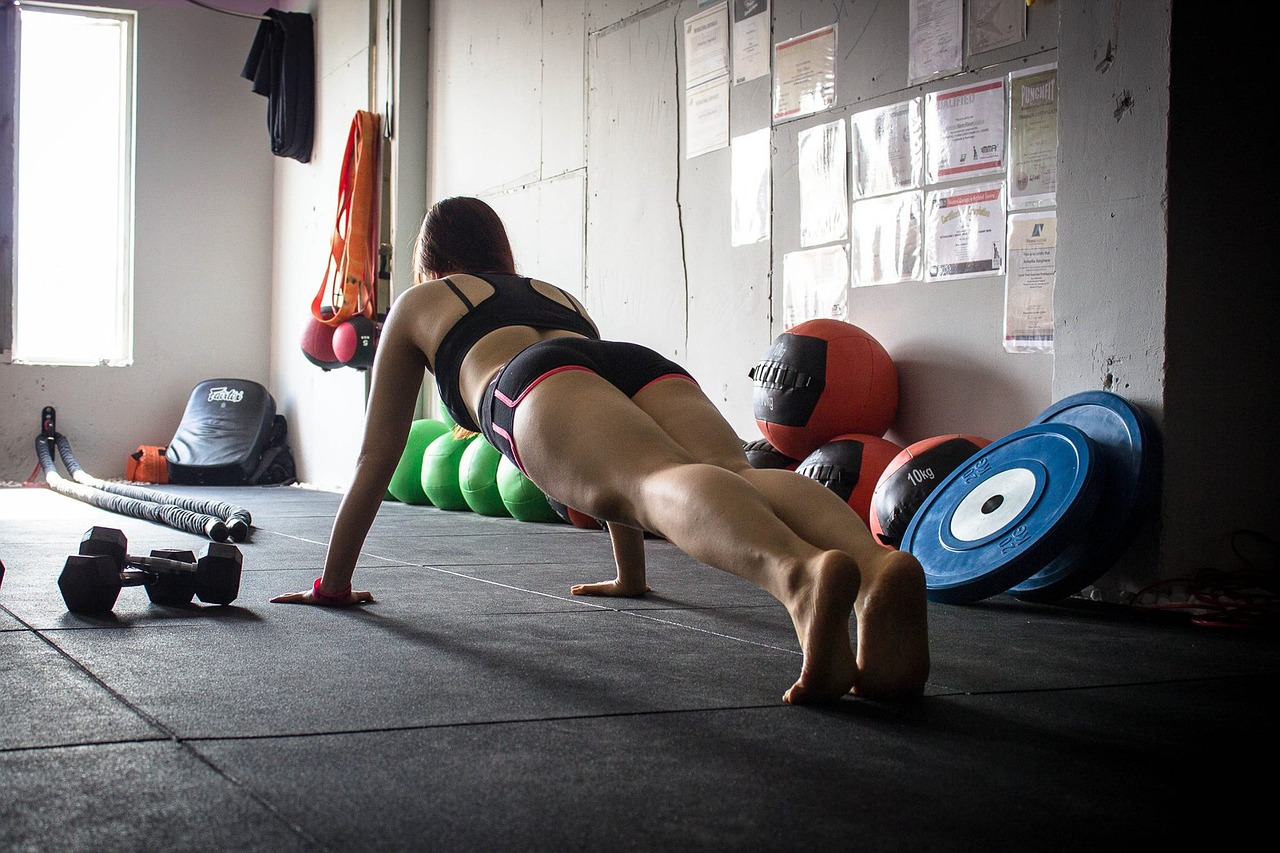
Plank hip dips are an excellent exercise for building strength in your core muscles, particularly your obliques. This exercise is a variation of the standard plank and involves dipping your hips to the side while holding your body in a plank position. It’s a challenging exercise that requires a lot of control and stability, but it’s worth the effort. In this article, we’ll explore the benefits of plank hip dips and provide a step-by-step guide on how to perform them properly.
What are Plank Hip Dips?
Plank hip dips are a variation of the traditional plank exercise, which is a popular exercise that strengthens the core muscles. Plank hip dips target the oblique muscles, which run diagonally across the abdomen and are responsible for rotating the trunk and stabilizing the spine. When performing plank hip dips, you start in a plank position, with your forearms and toes touching the ground, and your body in a straight line. Then, you lower your hips to one side, hold for a moment, and return to the starting position. You repeat this movement on the other side, alternating between left and right.
Benefits of Plank Hip Dips
Plank hip dips provide several benefits, including:
- Improved Core Strength: Plank hip dips target the oblique muscles, which are often neglected in traditional plank exercises. By working these muscles, you’ll improve your overall core strength and stability, which will help you in other exercises and daily activities.
- Increased Range of Motion: Plank hip dips require you to rotate your trunk, which can increase your range of motion and flexibility. This can help you perform other exercises better, such as squats, deadlifts, and overhead presses.
- Better Posture: Plank hip dips strengthen the muscles that stabilize your spine, which can improve your posture and reduce the risk of back pain.
How to Perform Plank Hip Dips
To perform plank hip dips, follow these steps:
- Start in a plank position, with your forearms and toes touching the ground, and your body in a straight line.
- Engage your core muscles and keep your hips level.
- Lower your right hip to the ground, keeping your left hip level.
- Hold for a moment, and then return to the starting position.
- Repeat on the other side, lowering your left hip to the ground while keeping your right hip level.
- Alternate between left and right for the desired number of repetitions or time.
Tips for Proper Form
To get the most out of plank hip dips and reduce the risk of injury, follow these tips:
- Keep your core engaged throughout the exercise. This will help you maintain proper form and prevent your lower back from sagging.
- Keep your hips level throughout the movement. This will ensure that you’re working the oblique muscles on each side evenly.
- Keep your elbows directly under your shoulders and your wrists directly under your elbows. This will help you maintain proper alignment and reduce the risk of wrist pain.
- Keep your neck and spine in a neutral position. Avoid looking up or letting your head droop.
- Breathe deeply and steadily throughout the exercise. Inhale through your nose and exhale through your mouth.
Variations
Once you’ve mastered the basic plank hip dip, you can try these variations to increase the challenge:
- Add a weight: Hold a dumbbell or kettlebell in one hand while performing the exercise.
- Increase the tempo: Perform the exercise at a faster pace to increase the cardiovascular challenge.
- Perform on a stability ball: Place your forearms on a stability ball instead of the ground to increase the instability and challenge your core muscles even more
Plank hip dips are a highly effective exercise that targets the obliques and other core muscles. By incorporating them into your fitness routine, you can improve your overall strength and stability, and even reduce your risk of injury.
Remember to always start with the basic version of the exercise and gradually progress to more challenging variations. And as with any exercise, it’s important to listen to your body and stop if you experience any pain or discomfort.
So next time you hit the gym or do a home workout, give plank hip dips a try and feel the burn in your core muscles. Your body will thank you for it!
Tags: Benefits of Plank Hip Dips, How to Perform Plank Hip Dips, Core and Stability Exercises, Effective Workout for Obliques
 Clusterado
Leave a comment