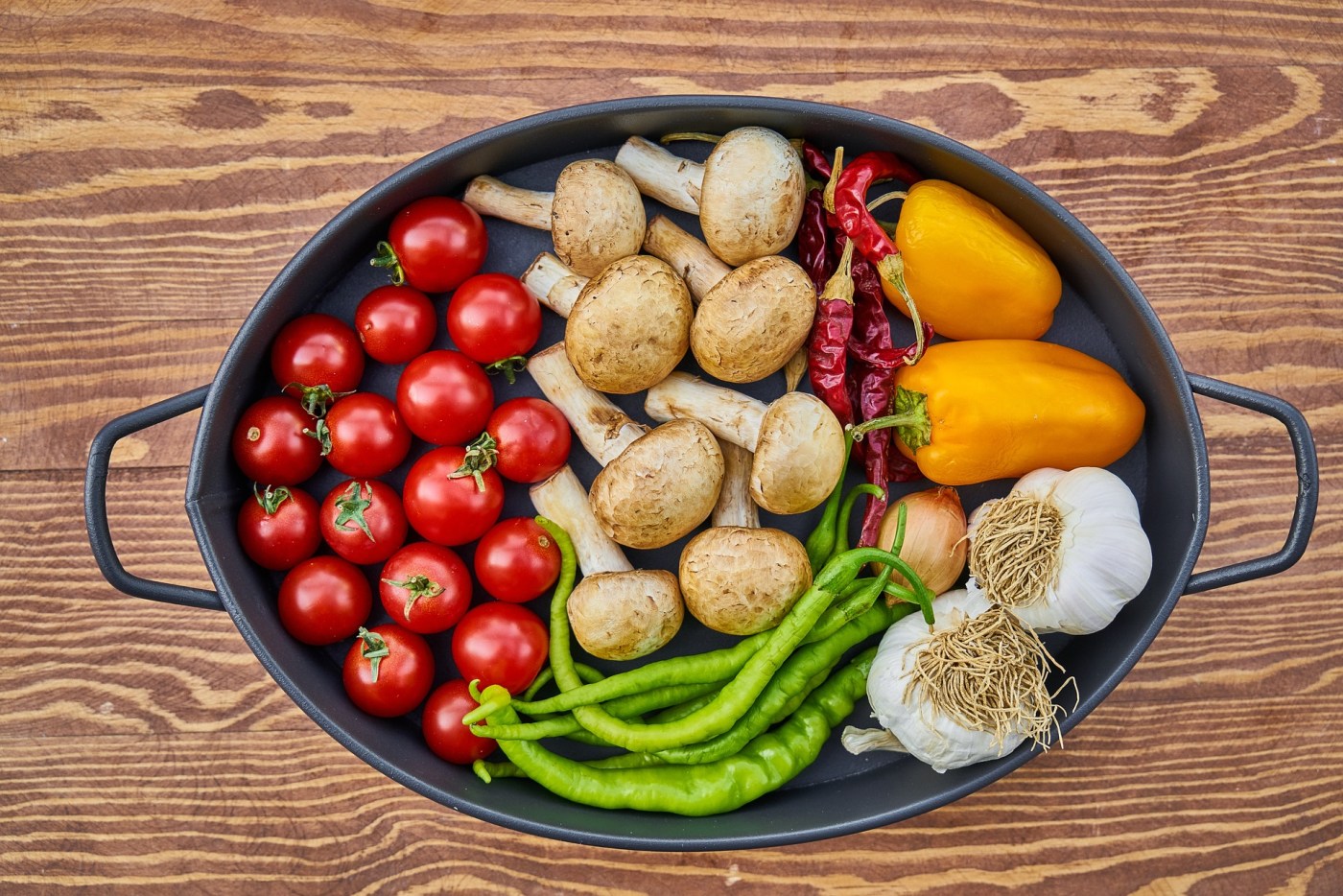
Keywords: Homegrown produce, Growing vegetables at home, Gardening techniques, Cultivating fruits and vegetables
Welcome to the wonderful world of homegrown produce! There’s something incredibly satisfying about nurturing plants, watching them flourish, and finally harvesting your own fresh, delicious fruits and vegetables. Whether you have a spacious garden or a small balcony, you can join the growing community of enthusiasts who have discovered the joys of cultivating their own food. In this guide, we’ll explore the ins and outs of growing produce at home. From choosing the right plants and mastering gardening techniques to reaping the rewards of your efforts, we’ll provide tips, tricks, and a glimpse into the pros and cons of this fulfilling pursuit. So roll up your sleeves, put on your gardening hat, and let’s dig in!
Choosing the Right Plants
When it comes to growing produce at home, the first step is selecting the right plants for your space and climate. Start by considering what you and your family enjoy eating. Are you a fan of vibrant tomatoes, crisp lettuce, or perhaps some flavorful herbs? Assess the available space you have, whether it’s a sunny backyard, a balcony, or even a sunny windowsill.
Certain plants are more beginner-friendly and thrive in various conditions. Tomatoes, for example, are popular and relatively easy to grow. Varieties like cherry tomatoes or patio tomatoes are ideal for container gardening. Leafy greens, such as lettuce and spinach, are also great choices for smaller spaces.
If you’re limited on space, don’t fret! Many vegetables and herbs can be successfully grown in containers. Consider using hanging baskets, vertical gardening systems, or even repurposed containers like old buckets or wooden crates. Get creative and make the most of your available space.
Gardening Techniques for Success
Now that you have your chosen plants, let’s dive into the essential techniques to ensure your homegrown produce thrives. Here are some tips to set you up for success:
- Soil Preparation: Start with healthy soil that’s well-draining and rich in organic matter. Mix compost or aged manure into your soil to boost its fertility and structure.
- Sunlight and Water: Most fruits and vegetables require at least six hours of direct sunlight daily. Ensure your plants receive adequate water, but be mindful of not overwatering, as it can lead to root rot or other issues. Mulching around your plants can help retain moisture and prevent weed growth.
- Companion Planting: Some plants benefit from growing alongside each other. For instance, planting marigolds near your vegetables can repel pests, while herbs like basil or dill can attract beneficial insects.
- Pest Control: Keep a watchful eye for pests like aphids, caterpillars, or slugs. Consider natural methods like handpicking, introducing beneficial insects, or using organic pest control products when necessary.
- Pruning and Support: Certain plants, like tomatoes or cucumbers, benefit from pruning and trellising. This helps improve airflow, reduce disease risk, and maximize space.
- Crop Rotation: To prevent nutrient depletion and minimize disease buildup, practice crop rotation by planting different types of vegetables in different areas each season.
- Harvesting: Harvest your produce at the right time for optimal flavor and quality. Refer to seed packets or gardening resources for guidance on when to pick each vegetable or fruit.
Pros and Cons of Growing Produce at Home
While growing produce at home offers many rewards, it’s essential to consider both the pros and cons before diving in. Let’s take a closer look:
Pros:
- Freshness and Flavor: Homegrown produce is unmatched in its freshness and flavor. The moment you pluck a ripe tomato from the vine or harvest a handful of herbs, you’ll experience a burst of taste that store-bought produce simply can’t match. The satisfaction of enjoying food straight from your garden is truly unbeatable.
- Health Benefits: Homegrown produce is packed with nutrients and free from chemical pesticides or preservatives. You have control over how you nurture your plants, ensuring they grow in a healthy and sustainable manner. Plus, gardening itself is a physical activity that promotes well-being and reduces stress.
- Cost Savings: Growing your own produce can help you save money in the long run. Seeds and gardening supplies may require an initial investment, but the ongoing costs are minimal compared to purchasing fresh produce regularly. With careful planning and a well-maintained garden, you can enjoy an abundance of fruits and vegetables without breaking the bank.
- Connection with Nature: Gardening allows you to reconnect with the natural world. As you spend time nurturing your plants, you’ll develop a deeper appreciation for the cycles of life, seasons, and the intricate beauty of nature. It’s a great way to teach children about food sources and the importance of sustainability.
Cons:
- Time and Effort: Growing produce at home requires dedication and time. From preparing the soil and planting seeds to watering, weeding, and ongoing maintenance, gardening demands consistent effort. It’s essential to be prepared for the commitment it entails, especially during busy periods or when unforeseen circumstances arise.
- Space Limitations: Not everyone has access to ample garden space. Urban dwellers or those with limited outdoor areas might face challenges when it comes to growing a wide variety of crops. However, vertical gardening, container gardening, or joining community garden initiatives can be viable solutions for those with space constraints.
- Pest and Disease Management: Dealing with pests and diseases is an inherent part of gardening. Your plants may face challenges such as aphids, fungal infections, or other pests that can damage or destroy your crops. It requires vigilance and proactive measures to prevent and manage these issues naturally or with organic methods.
- Learning Curve: Gardening is a continuous learning process. It takes time to understand the unique needs of different plants, master gardening techniques, and troubleshoot problems that may arise. It’s essential to embrace the learning curve and seek resources such as gardening books, online forums, or local gardening groups for guidance.
Conclusion
Growing your own produce at home is a fulfilling and rewarding experience that offers a myriad of benefits. It allows you to savor the unmatched freshness, flavor, and nutritional value of homegrown fruits and vegetables. With the right plant selection, proper gardening techniques, and a willingness to learn, you can successfully cultivate your own edible garden.
While there are considerations such as time commitment, space limitations, and potential challenges, the joy of harvesting your own food and the connection to nature make it all worthwhile. Gardening not only provides delicious and healthy produce but also promotes well-being, cost savings, and a deeper appreciation for the natural world.
So, grab your gardening gloves, dig into the soil, and embark on your homegrown adventure. Embrace the ups and downs, celebrate your successes, and relish the journey of nurturing plants that will ultimately nourish your body and soul. Happy gardening!
 Clusterado
Leave a comment