Keywords: interpreting dog body language, understanding dog cues, decoding canine communication, reading pet body language
As pet owners, we all want to understand our dogs better. Dogs may not be able to speak our language, but they communicate with us in many other ways, including through body language. By learning how to read your dog’s body language, you can better understand their needs, emotions, and even their health. In this beginner’s guide, we’ll explore some of the most common body language cues that dogs use and what they mean.
Tail Wagging
Tail wagging is one of the most recognizable body language cues in dogs, and it’s often associated with happiness and excitement. However, it’s important to understand that not all tail wags are created equal. A slow, relaxed wag usually indicates a content and relaxed dog, while a fast, vigorous wagging tail may indicate a highly excited or aroused dog. Additionally, a tucked tail may signal fear or anxiety, while a raised tail could indicate confidence or aggression. Pay attention to the speed and position of your dog’s tail to get a better understanding of their emotional state.
Ears
Just like tail wagging, dogs’ ears can also communicate their mood. A relaxed dog will have their ears in a neutral position, while pricked ears may indicate alertness or interest. Flattened ears, on the other hand, can indicate fear, anxiety, or submission. Some breeds, such as the German Shepherd, have ears that are naturally erect, but it’s still important to pay attention to the position of the ears as they can indicate a range of emotions.
Body Posture
Dogs use their body posture to communicate a range of emotions. For example, a relaxed dog will have a loose, relaxed body posture with their weight evenly distributed on all four paws. A tense dog may have a rigid body posture, with their weight shifted forward onto their front paws. A dog that is feeling threatened or aggressive may have a stiff, upright posture with their tail raised high. Understanding your dog’s body posture can help you better anticipate their needs and respond appropriately.
Facial Expressions
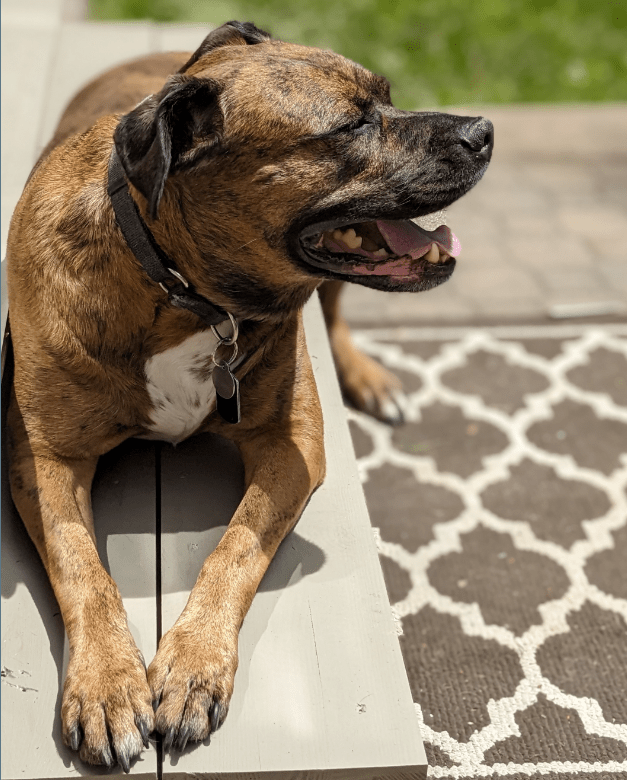
While dogs’ facial expressions may not be as expressive as humans’, they can still communicate their emotions. A happy, relaxed dog may have an open, relaxed mouth with a slight pant, while a tense or fearful dog may have a closed mouth and narrowed eyes. A dog that is feeling threatened or aggressive may show their teeth or wrinkle their nose, while a dog that is submissive or anxious may avert their gaze or lick their lips. Pay attention to your dog’s facial expressions to get a better understanding of their emotional state.
Vocalizations
In addition to body language, dogs also communicate through vocalizations. Barking, whining, growling, and howling are all ways that dogs communicate with us and each other. A playful bark may indicate excitement and happiness, while a high-pitched whine may signal anxiety or distress. A low growl can indicate aggression or defensiveness, while a howl may indicate a desire for attention or a call to action. Pay attention to the context in which your dog is vocalizing to better understand their needs and emotions.
By learning to read your dog’s body language, you can develop a deeper understanding of their needs, emotions, and overall well-being. It’s important to remember that every dog is unique, and their body language cues may vary depending on their breed, personality, and past experiences. However, by paying attention to their tail wagging, ear position, body posture, facial expressions, and vocalizations, you can better understand your furry friend and build a stronger bond.
 Clusterado
Leave a comment