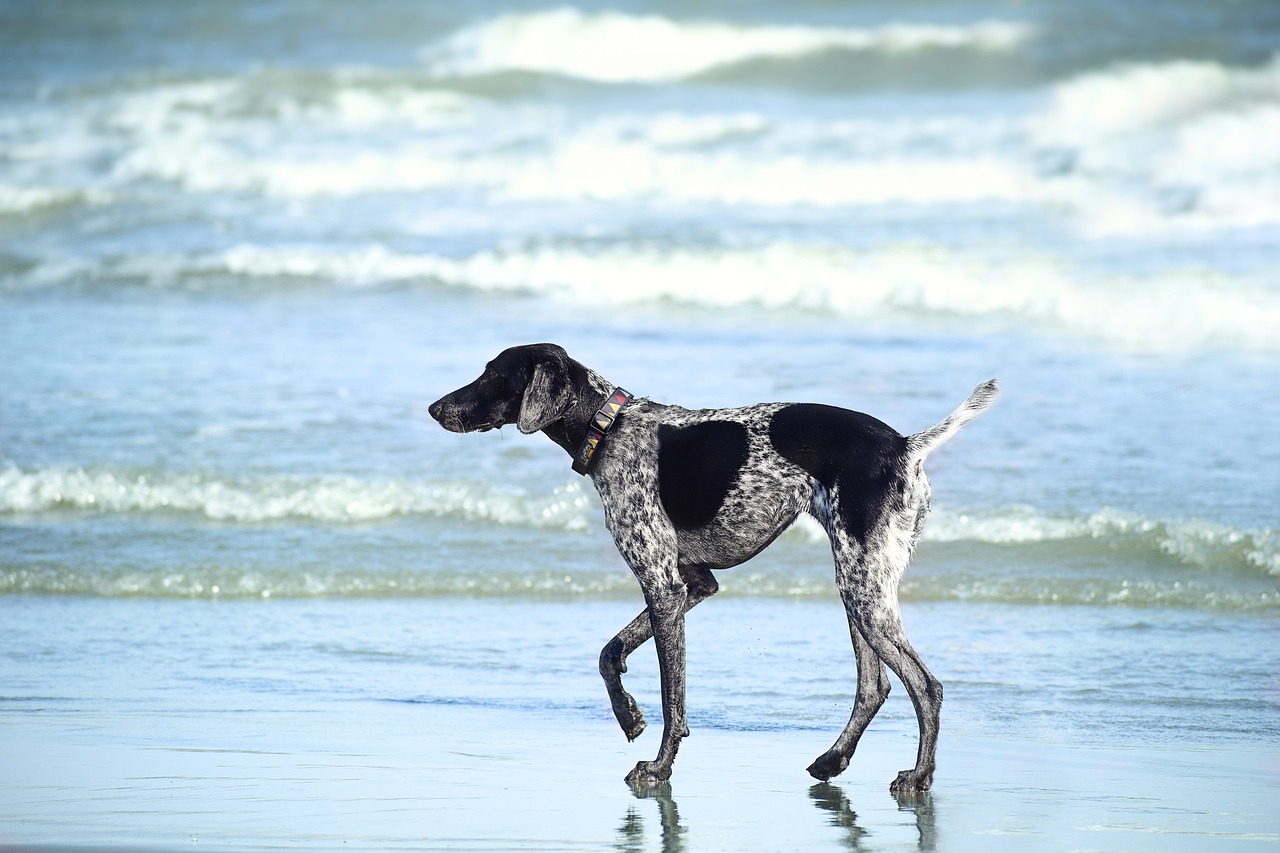
Keywords: dog tail wagging, meaning of tail wagging, science behind dog tail wagging, dog communication through tails
Ah, the iconic image of a dog happily wagging its tail. We’ve all seen it, whether it’s in real life, on TV, or on social media. But have you ever stopped to wonder why dogs wag their tails? It turns out that there’s more to this behavior than just a sign of happiness. In this article, we’ll dive into the science behind why dogs wag their tails, and what different tail wags mean. So let’s get started!
The Anatomy of a Tail Wag
First, let’s take a look at the anatomy of a dog’s tail. The tail is an extension of the spine, and is made up of bones, muscles, and nerves. There are different tail shapes and sizes depending on the breed, but most dogs have the ability to move their tails up, down, and side to side.
When a dog wags its tail, it’s actually moving the muscles at the base of the tail. These muscles are connected to the dog’s spine, and when they contract and relax, they cause the tail to move.
So Why Do Dogs Wag Their Tails?
Contrary to popular belief, dogs don’t just wag their tails when they’re happy. In fact, tail wagging is a form of communication for dogs. They use it to convey a range of emotions and intentions.
Happiness: Of course, one of the most common reasons for tail wagging is happiness. When a dog is happy and excited, they will often wag their tail in a fast, wide motion. This type of tail wag is usually accompanied by other signs of excitement, such as jumping, barking, or licking.
Friendliness: Dogs will also wag their tails to signal friendliness and submission. If a dog is approaching another dog or a person with a relaxed, loose tail wag, it’s a sign that they’re friendly and non-threatening.
Nervousness: On the other hand, a dog with a stiff, upright tail wag may be feeling nervous or unsure. This type of tail wag is often accompanied by other signs of anxiety, such as tense body language or raised hackles.
Aggression: In some cases, a dog may wag their tail as a warning before becoming aggressive. This type of tail wag is usually very slow and deliberate, and is often accompanied by other warning signs such as growling or baring teeth.
Other Factors That Affect Tail Wagging
In addition to emotions and intentions, there are other factors that can affect a dog’s tail wagging behavior. Here are a few things to keep in mind:
Breed: Different breeds of dogs have different tail shapes and sizes, which can affect their tail wagging behavior. For example, dogs with short tails may not be able to wag them as much as dogs with long tails.
Age: Puppies may wag their tails more often than adult dogs, as they are generally more excitable and energetic.
Health: A dog’s physical health can also affect their tail wagging behavior. If a dog is in pain or discomfort, they may not be able to wag their tail as much or as freely.
Understanding Your Dog’s Tail Wags
So now that you know a little bit more about the science behind tail wagging, how can you use this information to better understand your own dog?
Here are a few tips:
- Pay attention to the speed and direction of your dog’s tail wag. A fast, wide wag usually indicates excitement and happiness, while a slow, deliberate wag may indicate nervousness or aggression.
- Look for other signs of your dog’s mood, such as body language and vocalizations. Tail wagging is just one part of a larger picture.
- Consider your dog’s breed and age when interpreting their tail wagging behavior.
Understanding why dogs wag their tails is a fascinating area of study that has uncovered many surprising facts about our beloved furry friends. From the subtle nuances of tail wagging to the emotional signals conveyed through different movements and positions, tail wagging provides us with valuable insights into our dogs’ thoughts, feelings, and behavior. By learning how to interpret and respond appropriately to our dogs’ tail wagging, we can strengthen the bond between us and ensure that our canine companions lead happy, healthy, and fulfilling lives. So next time your dog wags their tail, take a moment to appreciate this remarkable form of communication and show your pup some love and affection in return.
 Clusterado
Leave a comment