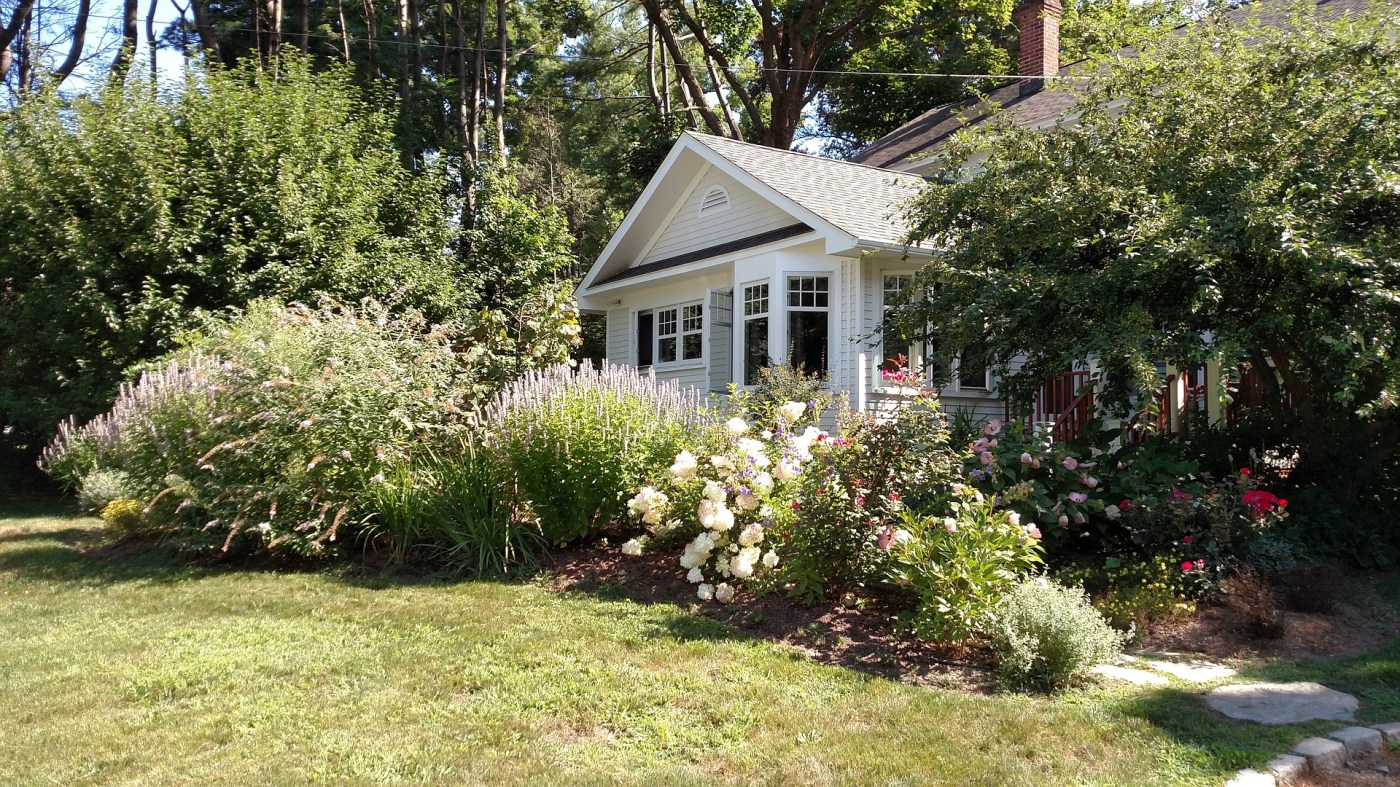
Ah, the changing seasons! They bring us a delightful array of colors, weather, and, of course, yard maintenance tasks. Each season requires its own unique care to keep your yard looking its best. Whether you’re a seasoned gardener or a beginner, having a seasonal maintenance checklist will help you stay organized and ensure that your outdoor space thrives throughout the year. So, grab your gardening gloves and let’s dive into the seasonal yard maintenance essentials!
Spring:
As the cold winter fades away and nature awakens, spring is the perfect time to rejuvenate your yard and prepare it for the vibrant months ahead. Here’s what you need to do:
- Clean Up: Start by clearing away any debris, fallen branches, and leaves that have accumulated over the winter. Rake your lawn to remove thatch and allow air and nutrients to reach the soil.
- Prune and Trim: Prune shrubs, bushes, and trees to remove dead or damaged branches and promote healthy growth. Trim back overgrown plants to maintain a neat and tidy appearance.
- Soil Prep: Prepare your soil for new plantings by loosening it with a garden fork or tiller. Add compost or organic matter to improve its fertility and drainage.
- Planting Time: Spring is the perfect season for planting annuals, perennials, and cool-season vegetables. Choose plants that are suitable for your climate and follow proper spacing and planting guidelines.
- Lawn Care: Give your lawn some love by aerating the soil to improve water and nutrient absorption. Overseed any thin or bare patches and apply a slow-release fertilizer to promote healthy growth.
Summer:
With longer days and warmer temperatures, summer brings its own set of maintenance tasks to keep your yard looking lush and vibrant. Here’s what to focus on:
- Watering Routine: As the heat intensifies, water your plants deeply and regularly to ensure they stay hydrated. Water in the early morning or late evening to reduce evaporation and minimize stress on your plants.
- Weed Control: Stay on top of weeds by regularly pulling them out or using organic weed control methods. Mulching around plants can also help suppress weed growth.
- Pruning and Deadheading: Trim back overgrown branches and remove spent flowers to encourage new growth and prolong blooming. This will keep your plants looking tidy and promote healthy development.
- Pest and Disease Management: Keep a close eye on your plants for signs of pests or diseases. Take proactive measures such as using organic pest control methods or introducing beneficial insects to manage pest populations.
- Regular Mowing: Maintain an appropriate height for your lawn by mowing it regularly. Adjust the mower blade to leave the grass at a recommended height for your specific grass type.
Fall:
As the temperature cools and leaves start to change, it’s time to prepare your yard for the coming winter and ensure a successful spring. Here’s what you should focus on during the fall season:
- Raking and Leaf Removal: Keep your yard tidy by raking fallen leaves and removing debris. Fallen leaves can be composted or used as mulch in garden beds.
- Winterizing Plants: Protect tender plants from frost by covering them with burlap or bringing them indoors. Mulch around the base of trees and shrubs to insulate their roots from freezing temperatures.
- Fertilization: Apply a slow-release fertilizer to your lawn and garden beds to provide essential nutrients that will nourish the plants during the dormant winter period.
- Aeration: If necessary, aerate your lawn to alleviate soil compaction and improve water and nutrient penetration. This will ensure a healthier lawn in the upcoming seasons.
- Bulb Planting: Fall is the perfect time to plant spring-flowering bulbs such as tulips, daffodils, and hyacinths. Dig holes at the recommended depth and spacing, place the bulbs with the pointed side up, and cover them with soil. Come springtime, you’ll be greeted with beautiful bursts of color.
Winter:
Winter may seem like a quiet time for yard maintenance, but there are still a few tasks to tend to. Here’s what you can do to keep your yard in good shape during the colder months:
- Snow and Ice Removal: Clear snow from walkways, driveways, and other high-traffic areas to ensure safe passage. Use a snow shovel or snow blower, and apply ice melt products as needed.
- Protect Outdoor Structures: If you have garden furniture, pots, or other outdoor structures, move them to a sheltered area or cover them to protect them from harsh winter weather.
- Pruning: Winter is an excellent time to prune dormant trees and shrubs. Remove any dead, damaged, or crossing branches, but avoid heavy pruning as it may stimulate new growth that can be susceptible to frost damage.
- Check on Winter Plants: Inspect any winter plants you have, such as evergreens or cold-hardy perennials. Ensure they are adequately watered and protected from harsh winds or heavy snowfall.
- Plan for the Next Season: Use the quieter winter months to plan and research for the upcoming gardening season. Explore seed catalogs, design new garden layouts, and create a wish list of plants and improvements you’d like to make in your yard.
By following this seasonal yard maintenance checklist, you’ll ensure that your outdoor space remains beautiful, healthy, and ready to flourish throughout the year. Each season presents its own unique tasks and opportunities, allowing you to enjoy the ever-changing beauty of your yard. So, embrace the rhythm of nature, get your hands dirty, and savor the rewards of a well-maintained and thriving yard in every season.
 Clusterado
Leave a comment