Expectations are a part of our daily lives. We have expectations for ourselves, our relationships, our careers, and the world around us. But how have our expectations changed over the years, and what impact do they have on our mental health?
The Evolution of Expectations
Expectations have changed significantly over the years. In the past, expectations were often tied to traditional gender roles and social norms. Women were expected to be wives and mothers, while men were expected to be breadwinners and protectors. These expectations often limited individuals’ choices and opportunities, leading to feelings of frustration and dissatisfaction.
As society has evolved, expectations have become more individualized. People are encouraged to pursue their passions and define success on their own terms. While this has led to greater personal fulfillment for many individuals, it has also created new pressures and expectations.
Today, we’re expected to have successful careers, fulfilling relationships, active social lives, and a perfect body, among other things. These expectations are often unrealistic and unattainable, leading to feelings of stress, anxiety, and low self-esteem.
The Impact of Expectations on Mental Health
The impact of expectations on mental health can be significant. When we set unrealistic expectations for ourselves, we may feel like we’re constantly falling short. This can lead to feelings of inadequacy, low self-esteem, and depression.
At the same time, the expectations we have for others can also impact our mental health. When we place high expectations on our partners, friends, and family members, we may feel let down when they don’t meet those expectations. This can lead to feelings of resentment and frustration, damaging our relationships and our mental health.
So how can we manage our expectations and protect our mental health?
Managing Expectations
The first step in managing expectations is to recognize that they exist. It’s important to be aware of the expectations we have for ourselves and others, and to consider whether they’re realistic and achievable.
Next, it’s important to set realistic goals and expectations. Instead of aiming for perfection, we should focus on progress and improvement. By setting achievable goals, we can build confidence and self-esteem, leading to greater mental health and well-being.
It’s also important to communicate our expectations to others. When we’re clear about what we expect from our relationships and our careers, we can avoid misunderstandings and disappointment. At the same time, it’s important to be open to compromise and flexibility, recognizing that our expectations may not always align with the reality of the situation.
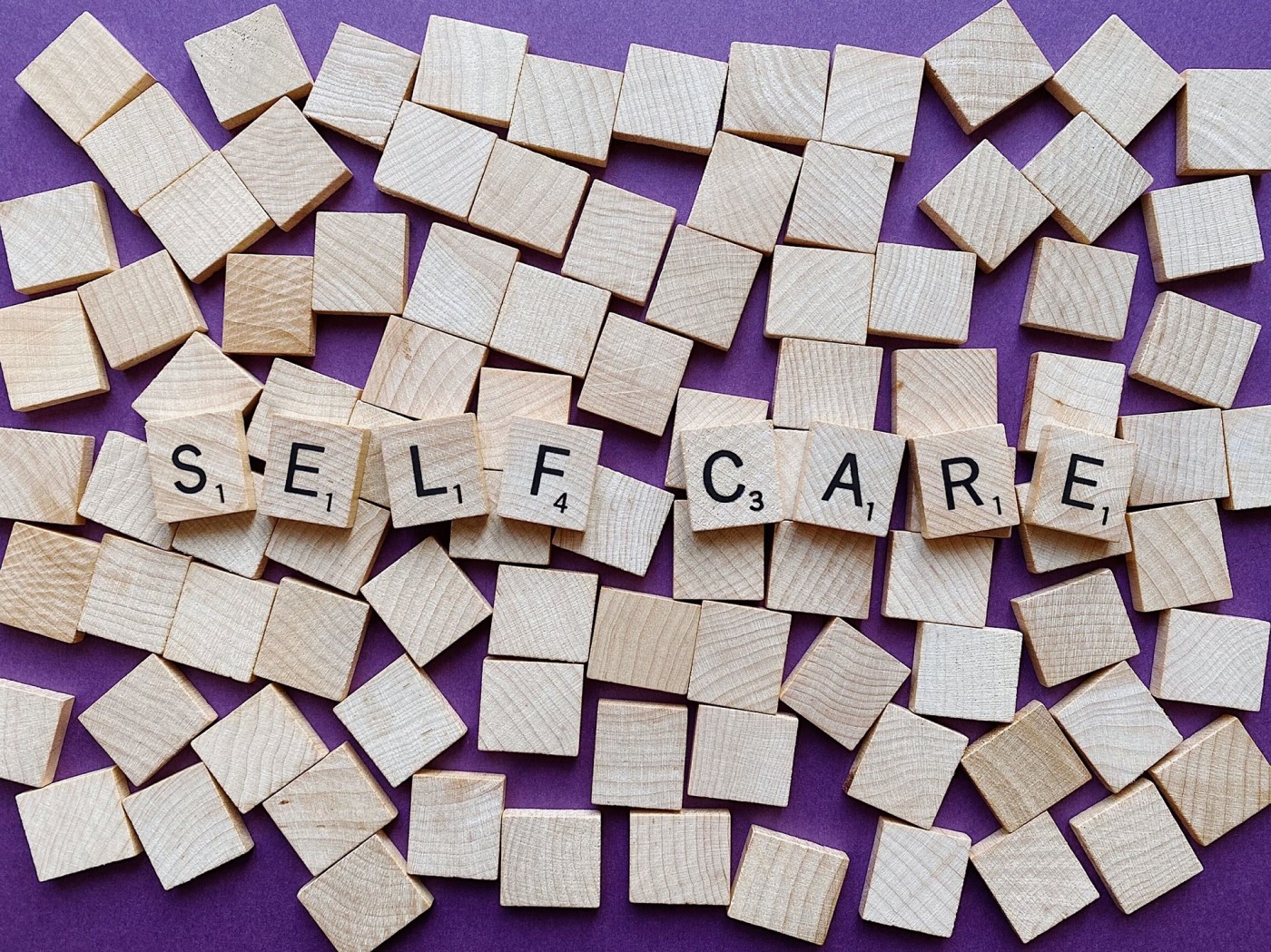
Finally, it’s important to practice self-care and prioritize our mental health. When we take care of ourselves, we’re better equipped to manage our expectations and handle life’s challenges. This may include regular exercise, healthy eating habits, and mindfulness practices like meditation or yoga.
Expectations are a natural part of life, but they can also have a significant impact on our mental health. By recognizing our expectations, setting realistic goals, communicating effectively, and prioritizing self-care, we can manage our expectations and protect our mental health. So the next time you find yourself feeling stressed or overwhelmed, take a step back and consider whether your expectations are realistic and achievable. By making small adjustments and practicing self-care, you can protect your mental health and live a happier, more fulfilling life.
Tags: Managing Expectations, Impact on Mental Health, Realistic Goals, Prioritizing Self-Care
 Clusterado
Leave a comment