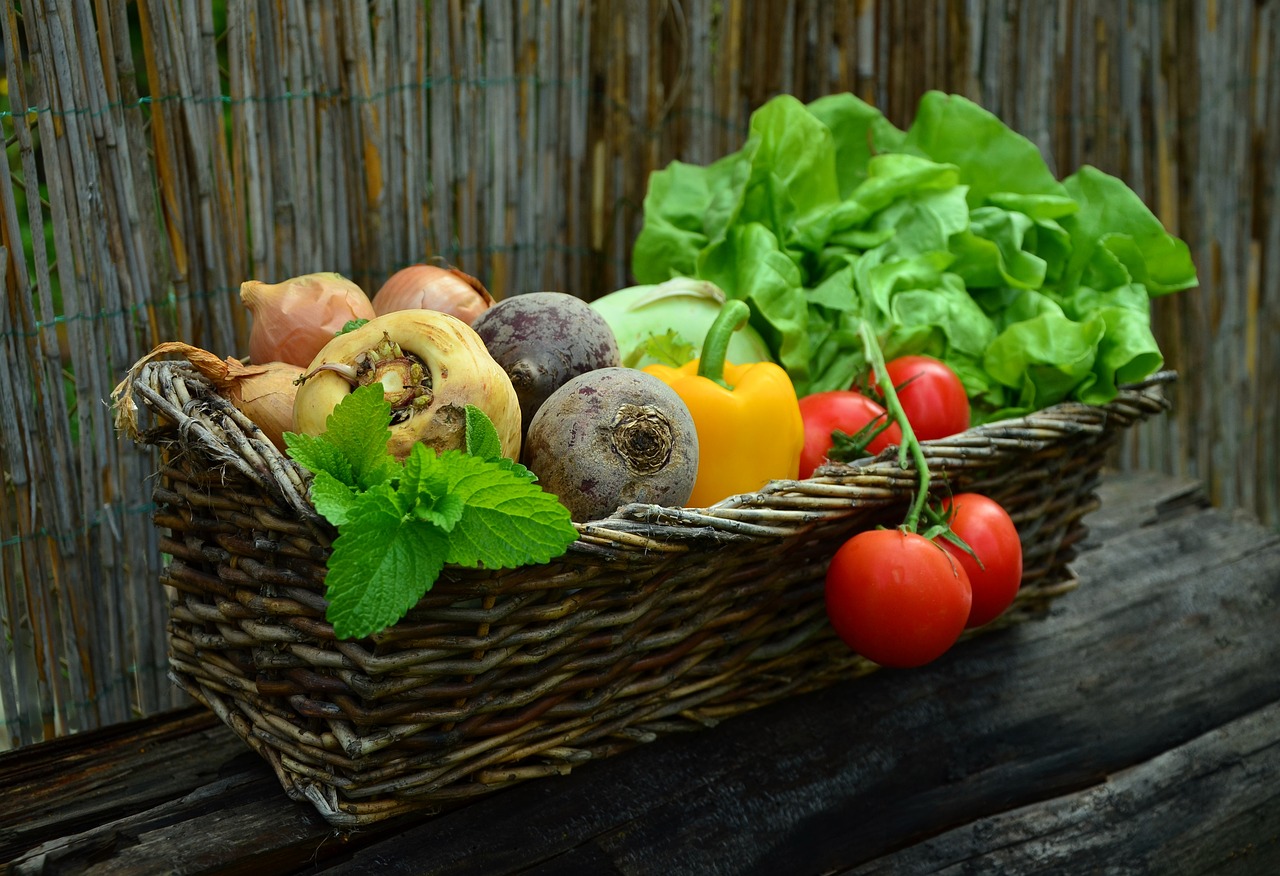
Are you looking to improve your health and reduce your carbon footprint? Consider adopting a plant-based diet. Plant-based diets are becoming increasingly popular for their health benefits and positive impact on the environment. In this article, we’ll explore the benefits of a plant-based diet and share some tips for getting started.
Health Benefits of a Plant-Based Diet
A plant-based diet focuses on whole, minimally processed foods like fruits, vegetables, whole grains, legumes, nuts, and seeds. It excludes or limits animal products like meat, dairy, and eggs.
Studies have shown that a plant-based diet can have many health benefits, including:
- Lower risk of chronic diseases: Plant-based diets have been shown to reduce the risk of chronic diseases like heart disease, diabetes, and certain cancers.
- Improved gut health: The high fiber content in plant-based foods can improve gut health and reduce the risk of digestive issues like constipation and diverticulitis.
- Better weight management: Plant-based diets are typically lower in calories and higher in fiber, which can help with weight management.
- Reduced inflammation: Plant-based diets have been shown to reduce inflammation in the body, which is linked to many chronic diseases.
Environmental Benefits of a Plant-Based Diet
In addition to the health benefits, a plant-based diet also has a positive impact on the environment. Animal agriculture is a major contributor to greenhouse gas emissions, deforestation, and water pollution. Choosing plant-based foods reduces the demand for animal products and supports sustainable agriculture.
According to the United Nations, the meat industry produces more greenhouse gas emissions than the entire transportation sector. By reducing our consumption of animal products, we can help reduce our carbon footprint and slow the pace of climate change.
One book that can provide more information on the environmental impact of food choices is “The Omnivore’s Dilemma: A Natural History of Four Meals” by Michael Pollan. This book explores the complex web of relationships between humans, animals, and the environment, and offers insight into how our food choices impact the world around us.
Tips for Getting Started with a Plant-Based Diet
Adopting a plant-based diet can seem daunting, but it doesn’t have to be. Here are some tips for getting started:
- Start slowly: You don’t have to go completely plant-based overnight. Start by incorporating more plant-based meals into your diet and gradually reducing your consumption of animal products.
- Experiment with new recipes: Plant-based cooking can be delicious and satisfying. Try new recipes and experiment with different flavors and ingredients.
- Focus on whole foods: Base your meals around whole, minimally processed foods like fruits, vegetables, whole grains, legumes, nuts, and seeds.
- Find plant-based substitutes: There are many plant-based substitutes for animal products, like tofu, tempeh, and plant-based milks and cheeses.
- Get support: Joining a plant-based community or finding a plant-based buddy can provide motivation and support as you make the transition to a plant-based diet.
A plant-based diet can have many benefits for personal health and the environment. By focusing on whole, minimally processed plant-based foods and reducing consumption of animal products, we can reduce our risk of chronic diseases, improve our gut health, manage our weight, reduce inflammation, and reduce our carbon footprint. Consider incorporating more plant-based meals into your diet and see how it can benefit you and the world around you.
Tags:
Plant-based diet
Health benefits of plant-based diet
Environmental impact of food choices
Getting started with a plant-based diet
 Clusterado
Leave a comment