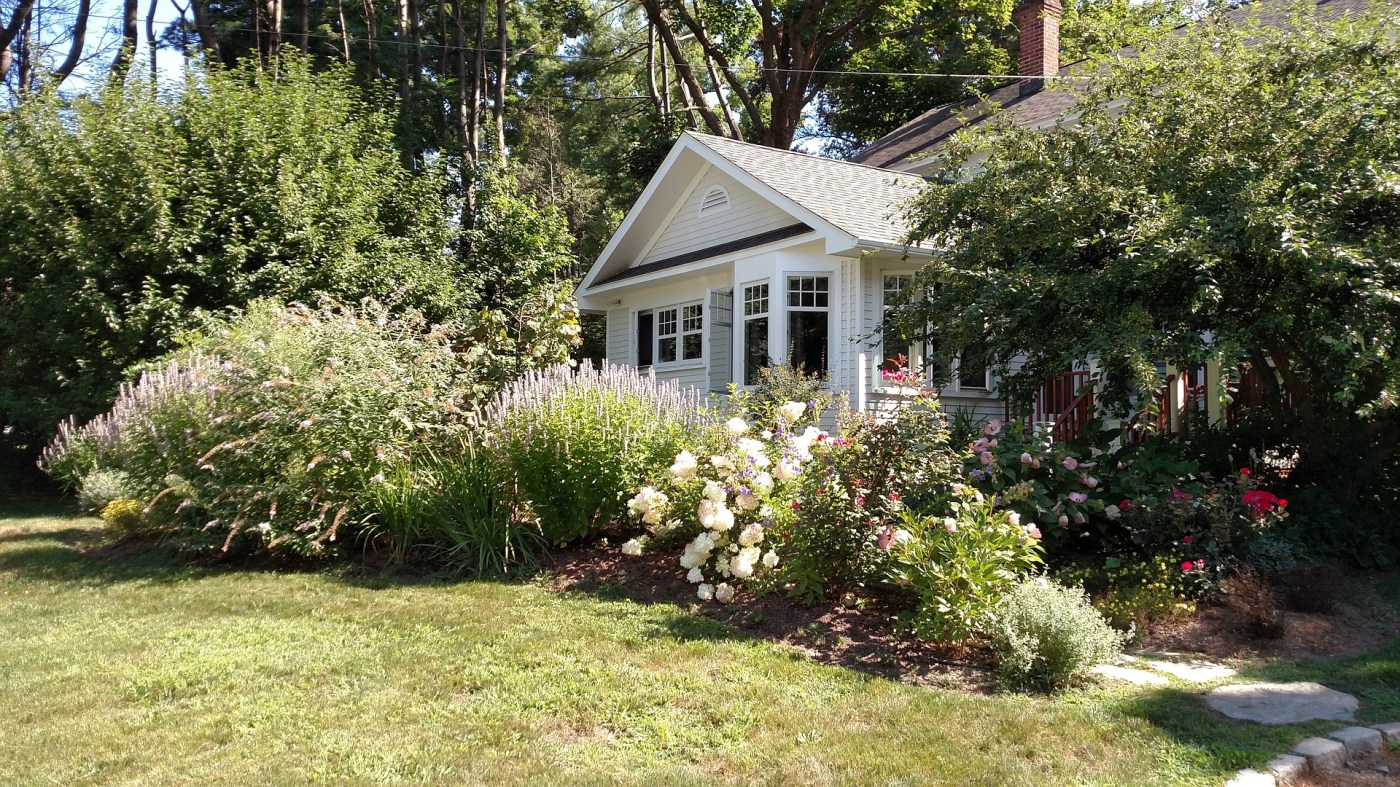
Ah, the lawn—a lush carpet of green that invites us to kick off our shoes, play games, and enjoy the great outdoors. But maintaining a healthy and vibrant yard requires more than just mowing the grass whenever it gets too long. To truly unlock the full potential of your lawn, you need to implement essential lawn care practices that promote its health, beauty, and resilience. In this article, we’ll dive into some tried-and-true tips and techniques to help you achieve a stunning and envy-worthy yard.
- Mowing Matters:
Proper mowing is the backbone of a well-kept lawn. Set your mower to the appropriate height for your grass type and aim to remove no more than one-third of the grass blade with each mowing session. Cutting the grass too short can weaken the root system and make it more susceptible to stress and weed invasion. Regular mowing also helps to promote lateral growth and a denser turf, reducing the chances of weeds taking hold.
- Feeding the Lawn:
Just like us, lawns need proper nourishment to thrive. Fertilizing your lawn at the right time and with the right nutrients can make a world of difference. Start by conducting a soil test to determine the specific needs of your lawn. This will help you choose a fertilizer that provides the necessary balance of nitrogen, phosphorus, and potassium. Apply the fertilizer according to the instructions, typically in early spring and fall, to support healthy growth and vibrant color.
- Water Wisely:
Watering is essential for maintaining a healthy lawn, but it’s important to water wisely to avoid over- or under-watering. Deep and infrequent watering encourages the growth of strong and deep roots. Aim for about 1 inch of water per week, including rainfall, and water early in the morning to minimize evaporation. Avoid watering in the evening, as prolonged moisture on the grass can promote disease. Use a rain gauge or a moisture meter to monitor the water needs of your lawn and adjust your watering schedule accordingly.
- Aeration for Vitality:
Over time, lawns can become compacted, limiting the movement of air, water, and nutrients to the grassroots. Regular aeration can help alleviate compaction and invigorate your lawn. There are various aeration methods available, including manual aerators, spike aerators, and core aerators. Core aerators, which remove small plugs of soil, are considered the most effective. Plan to aerate your lawn at least once a year, preferably in the spring or fall when the grass is actively growing.
- Seeding and Overseeding:
To keep your lawn thick, lush, and resilient, consider seeding and overseeding as part of your lawn care routine. Seeding is the process of establishing new grass in bare patches or areas of thinning turf. Choose a high-quality grass seed that is suitable for your climate and soil type. Prepare the soil by raking away debris, loosen it with a garden fork or tiller, and spread the seed evenly. Keep the seeded area moist until the grass germinates and establishes itself.
Overseeding, on the other hand, involves spreading grass seed over the entire lawn to fill in thin areas and promote a denser turf. It helps to rejuvenate an existing lawn, improve its overall appearance, and reduce weed invasion. Overseed in early spring or fall when the soil temperatures are ideal for seed germination.
- Weed and Pest Control:
Weeds and pests can quickly take over a lawn if left unchecked. Regularly inspect your yard for signs of weed growth and take action as soon as you spot them. Hand-pulling or using a weeding tool can be effective for small-scale weed control. For larger infestations, consider using an appropriate herbicide that targets the specific weed species while minimizing harm to your lawn. Always follow the instructions carefully and use herbicides responsibly.
When it comes to pests, keeping your lawn healthy and well-maintained is the first line of defense. A robust and properly cared for lawn is less susceptible to pest infestations. However, if you notice signs of pests, such as brown patches, chewed leaves, or tunnels in the soil, identify the culprit and choose an appropriate pest control method. This may involve using insecticides or employing natural pest control measures, such as introducing beneficial insects or using organic pest repellents.
- Addressing Bare Spots:
Bare spots can be eyesores in an otherwise lush lawn. If you spot bare patches in your yard, take immediate action to address them. Start by raking away any dead grass and loosening the soil. Fill the area with topsoil or a high-quality lawn patching mix, level it, and sprinkle grass seed over the bare spot. Keep the area consistently moist until the new grass fills in and blends with the rest of the lawn.
- Regular Maintenance and Clean-up:
Regular maintenance is crucial for keeping your lawn in top shape. This includes tasks like removing debris, such as leaves, sticks, and branches, that can smother the grass and provide hiding places for pests. Clear away any lawn clippings after mowing to prevent thatch buildup. It’s also important to edge along sidewalks, driveways, and flower beds to maintain clean lines and prevent grass encroachment.
- Timing is Everything:
Timing plays a vital role in successful lawn care. Certain tasks, such as fertilizing, aerating, and overseeding, are best done in specific seasons. Pay attention to the recommended timing for these activities based on your grass type and climate. By following the appropriate timing, you give your lawn the best chance to absorb the nutrients, establish new growth, and thrive.
- Enjoy Your Lawn:
Lastly, don’t forget to enjoy the fruits of your labor. A well-cared-for lawn provides a beautiful setting for outdoor activities, relaxation, and gatherings with friends and family. Take the time to appreciate the vibrant green expanse, breathe in the fresh air, and revel in the satisfaction of maintaining a healthy and vibrant yard.
Maintaining a healthy and vibrant lawn requires a combination of essential lawn care practices. By mowing correctly, feeding the lawn, watering wisely, aerating, seeding and overseeding, controlling weeds and pests, addressing bare spots, regular maintenance, and following proper timing, you can achieve a lawn that is the envy of the neighborhood. Embrace the joy of caring for your yard and relish in the beauty and benefits it brings to your outdoor living space.
 Clusterado
Leave a comment